
Stella Okoli: The Pharmacist Who Built Emzor From a Lagos Chemist Shop
Stella Okoli, founder and chief executive of Emzor Pharmaceutical Industries, has spent nearly five decades building a Nigerian drug company. She has now raised N26.7bn to complete a plant that would make medicine ingredients locally.
- Published in News.
- 3 minute read.
- 6 readers have viewed this story.

Stella Chinyelu Okoli is a pharmacist, philanthropist and entrepreneur who has spent nearly five decades building one of Nigeria's largest indigenous drug companies, and who now, in her eighties, is borrowing heavily to finish the most ambitious project of her career.
Okoli was born around 1944 in Kano State. She trained in Britain, studying at the University of Bradford and at Chelsea College, University of London, before returning to a Nigerian pharmaceutical sector dominated by imports. Her career dates from 1976. A year later, in 1977, she started Emzor as a small chemist shop in Lagos.
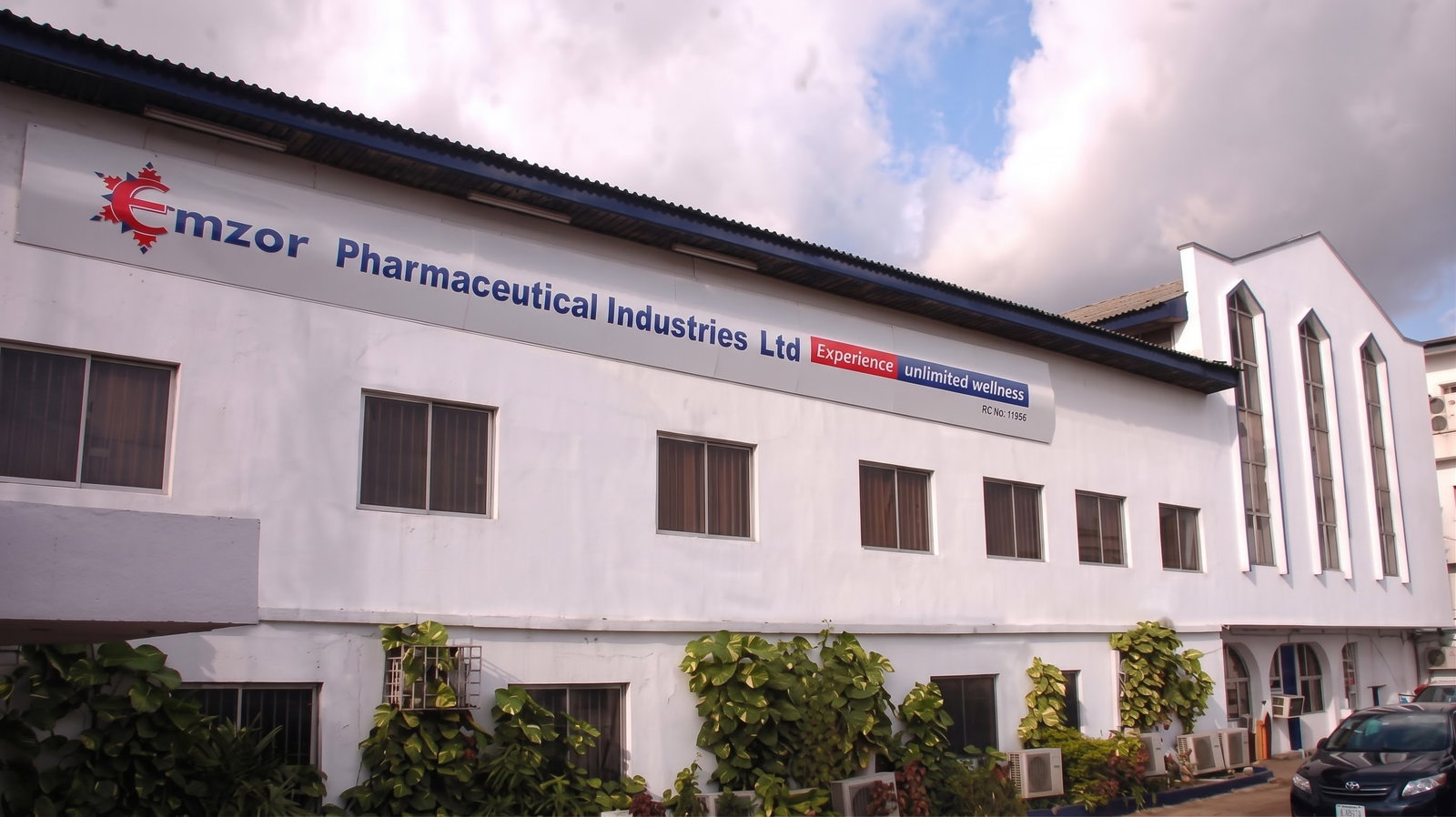
From that single outlet she built a manufacturing business. Emzor is now counted among the country's largest indigenous drugmakers, and Okoli remains its founder and chief executive. She holds two national honours, as an Officer and a Member of the Order of the Niger. Her fortune has been estimated at more than $80m, which places her among the wealthiest women in Africa and the continent's leading pharmaceutical entrepreneurs.
Her reputation rests on a consistent argument. Nigeria, she has long held, should make more of its own medicines, and the industry's reliance on imported raw materials leaves it exposed. Active pharmaceutical ingredients, the substances that make medicines work, are almost never produced in sub-Saharan Africa. Nigerian manufacturers import them, which ties their costs to foreign exchange availability, naira volatility and disruptions in global supply chains.
That argument is now being tested in Sagamu, Ogun State. Emzor unveiled plans in 2024 for a plant representing an estimated $23m investment, billed as the first full-scale antimalarial ingredient facility in the region. It was first expected to open in late 2025, then in early 2026. At the end of August 2026 it had still not been commissioned, and the company has published no revised date. The plant is meant to produce antimalarial ingredients first, then expand into inputs for HIV antiretrovirals and other essential medicines.

To finish it, Okoli's company has gone to the bond market. Emzor raised N26.7bn ($19.8m) through a five-year Series 1 fixed-rate issue at a 19 percent coupon, listed on FMDQ Exchange through Emzor Pharma Funding SPV Plc. The offer was oversubscribed. It is Emzor's second domestic bond and part of a wider N40bn ($29.6m) programme. Proceeds will fund working capital, manufacturing capacity and completion of the Sagamu facility.
The terms illustrate how costly it is to build industry in Nigeria. "The 19 per cent interest rate on the bond also highlights the relatively high cost of long-term naira financing for industrial projects in Nigeria," said Udoma Ogbonna, a Lagos-based financial expert. Analysts note that the coupon reflects Nigerian yields rather than anything specific to Emzor, but the plant must still clear a high hurdle rate and is being paid for before it has produced anything. Over the five years, the company faces a substantial debt-servicing obligation.
The outcome matters beyond one company. Nigeria is trying to deepen domestic pharmaceutical production and cut its dependence on imported medicines and raw materials. If Sagamu works, it would give Okoli's company a new source of revenue and greater control over critical inputs. If it slips again, the cost of that delay will be measured in interest.
Comments
Join the conversation.
Have an account? Sign in to skip entering your details.
No approved comments yet.