
Kenyan cult leader jailed for 200 years over Shakahola deaths
A Kenyan court has jailed Paul Mackenzie for 200 years over the Shakahola starvation deaths. Twenty-eight accomplices received terms of 10 to 160 years, and his lawyer plans to appeal.
- Published in News.
- 3 minute read.
- 3 readers have viewed this story.
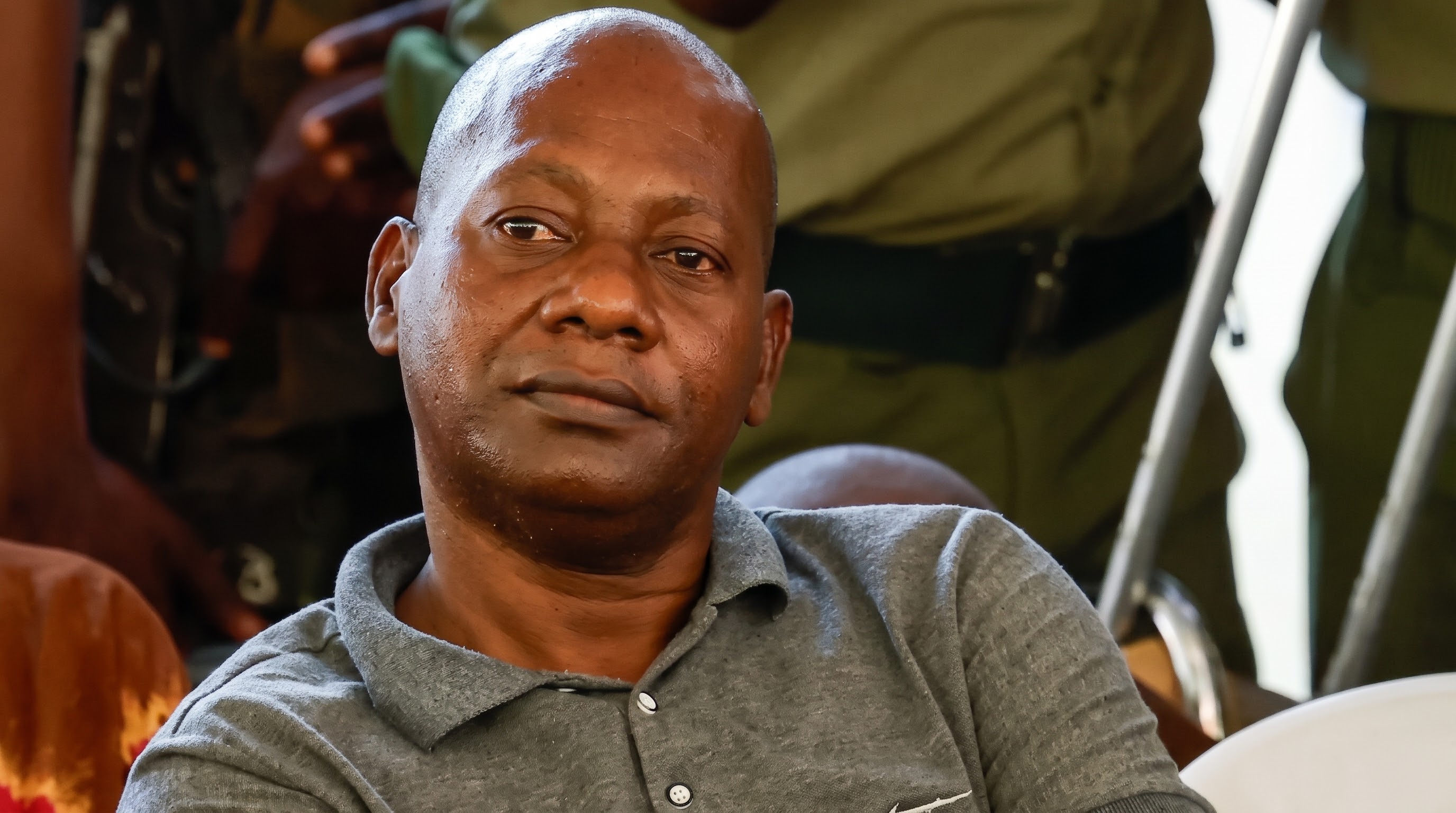
A Kenyan court on Friday sentenced cult leader Paul Mackenzie to 200 years in prison for the murders of 191 people, 190 of them children, who were starved to death in Shakahola Forest.
Twenty-eight co-accused, convicted alongside him last month, received terms of 10 to 160 years. Defence lawyer Lawrence Obonyo, who represents Mackenzie and nearly all the others, said he would appeal.
Justice Diana Kavedza told the Mombasa High Court that the sentence combined 100 years for murder by starvation and 100 years for direct homicide.
She said Mackenzie used a YouTube channel with thousands of subscribers to win his victims' trust, then targeted vulnerable followers, particularly children.
"Children observed as their siblings dropped dead after enduring hunger for days," she said. "Those who stole food or water were beaten, their hands tied and locked up in houses, turned into fasting bays to die."
Mackenzie had denied the murder charges, saying he did not force anyone to starve. The court rejected that defence.
Prosecutors said he led the Good News International Church, an apocalyptic sect, and told followers to starve themselves and their children so they could reach heaven before the world ended and "meet Jesus". His accomplices threatened and beat victims to enforce his orders.
Police arrested Mackenzie in 2023 after a tip-off, and bodies began emerging in April that year near the coastal town of Malindi. Emaciated remains lay in shallow graves and latrines, and some victims had been buried alive.
Stephen Mwiti, 48, lost six children in the forest after his wife, now among the convicted, took them there. He told Reuters before the sentencing that even if the adults had agreed to fast, "what about the children?"
Suleiman Zero, whose wife and six children remain missing, wept outside court. "I am happy, but where is my family?" he said. "The one thing that I request from the government is that they help find my family. If they are dead, then let me have the bodies to bury."
Dan Mackenzie, the cult leader's son, said he fled the group in his early teens after losing faith in its promises of heaven. He lost friends and a younger brother there, and called the sentence "justice to the people who we lost".
Police first searched Mackenzie's premises in 2017, and authorities closed his Malindi church in 2019, prompting him to move to the forest. He was also arrested twice before and released.
Ojiro Odhiambo, head of rapid response at the Kenya Human Rights Commission, called the conviction an important step. He said administrators, police, intelligence officers and religious leaders also bore responsibility for ignoring repeated warnings. "All these people have failed the people," he said.
Kavedza agreed that state institutions had failed and urged Parliament to act. President William Ruto said in 2023 that he accepted responsibility as president, and he appointed a task force that May to review the legal framework for religious groups.
Government-backed and Senate proposals followed in 2024, though neither has become law.
The trial covered 191 victims, but the Kenya National Commission on Human Rights says 448 bodies were found in the forest. Mackenzie has pleaded not guilty in a separate case over 52 deaths in a village 30 kilometres away, which would lift the suspected toll to 500.
Comments
Join the conversation.
Have an account? Sign in to skip entering your details.
No approved comments yet.