
Church of England says conversion ban could criminalise prayer
The Church of England says the draft Conversion Practices Bill could unintentionally criminalise prayer and pastoral care. Catholic bishops want it scrapped, while ministers insist religious leaders are protected.
- Published in News.
- 5 minute read.
- 3 readers have viewed this story.
The Church of England has warned that the Government's draft ban on conversion practices could unintentionally criminalise prayer and pastoral care, in a challenge to ministers who have pointed to Church support for the plan.
Roman Catholic leaders have gone further and demanded that the draft Conversion Practices Bill be abandoned, with critics claiming it would expose mothers and fathers to arrest for asking a child whether they want to change gender.
The draft would make it a criminal offence to attempt to change a person's sexual orientation or gender identity, with offenders facing up to five years in prison, according to The Telegraph, which has launched a campaign to scrap the bill. Critics also warn that therapists and religious leaders could face prosecution over advice or pastoral care offered to people questioning their sexuality or gender identity.
A Church of England spokesman said, "We believe that everyone is made in the image of God and should be cherished for who they are."
"It is, however, important to ensure that any legislation does not unintentionally criminalise providing appropriate prayer and pastoral care to those who seek it, and we will reflect this concern in our evidence to the pre-legislative scrutiny process," the spokesman added.
The statement went on, "Of course, pastoral care and prayer should never be coercive. A ban on conversion therapy must still allow space for discussion and disagreement. We want to prevent abuses of power and coercive practices, which should be the focus of any legislation."
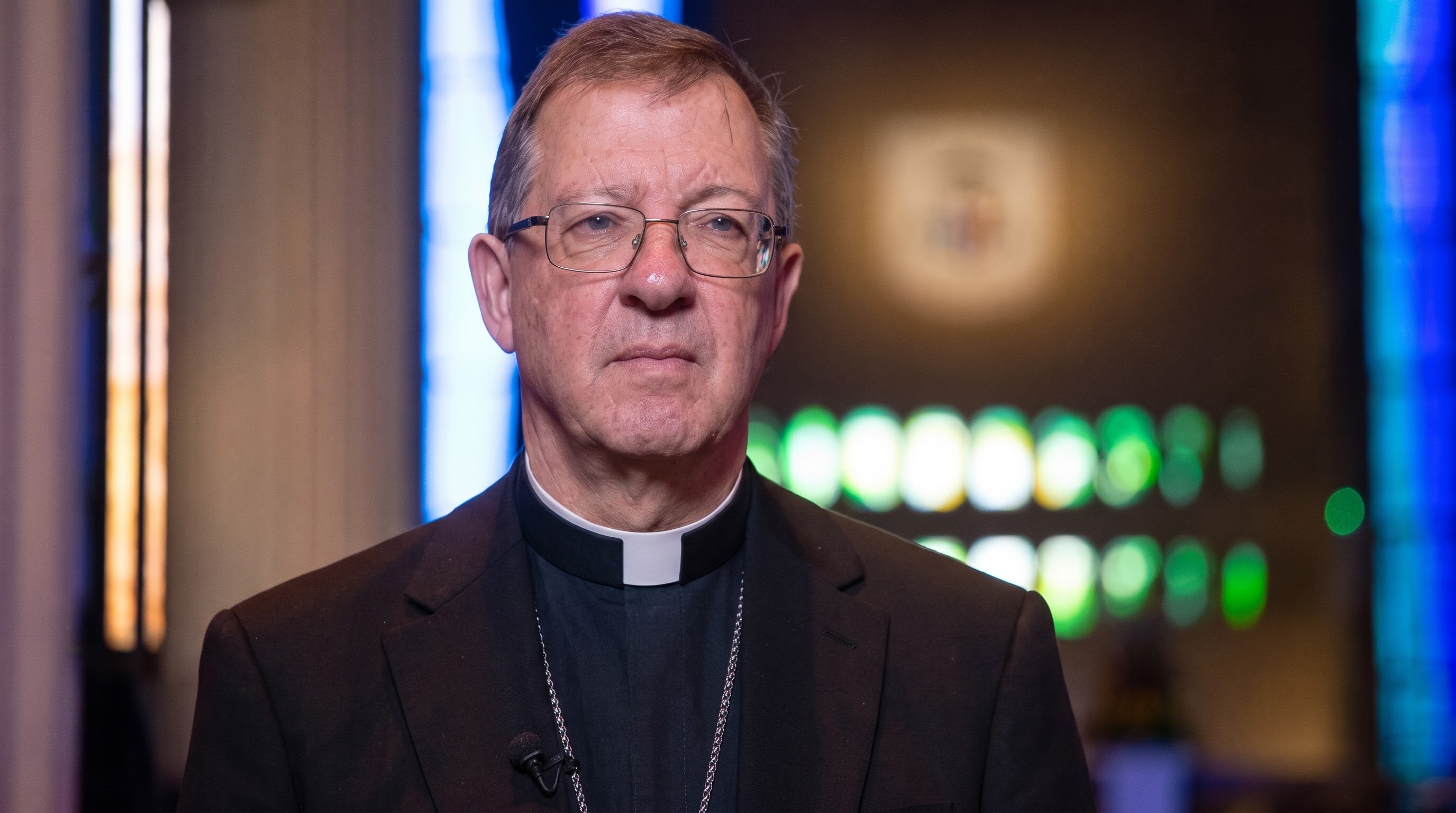
Archbishop John Sherrington of Liverpool, who chairs the social justice department of the Catholic Bishops' Conference of England and Wales, accepted the need to protect people from abuse but argued that existing laws already criminalised abusive practices.
"There is a danger that this legislation will create uncertainty around lawful pastoral care by the Church, family life and the legality of open conversations that might take place in a range of social settings," he said.
He added that the bill could expose parents and other individuals to legal action over well-intentioned conversations. "People of faith must remain free to express their beliefs through speech and prayer," the archbishop said.
His call to politicians was blunt. "We call on politicians to abandon this bill and focus instead on enforcement of existing protections and accessible support for anyone facing abuse or coercion," Sherrington said.
Bishop Brian McGee, vice-president of the Catholic Bishops' Conference of Scotland, told the newspaper, "Nobody should fear violence, abuse, or coercion, and the law must do all it can to make sure everybody is protected from such behaviour."
"This law, however, appears to go far beyond the protection of citizens, overreaching into normal daily family life, pastoral conversations and everyday teaching," he said.
Simon Calvert, deputy director of the charity The Christian Institute, said it was "quite clear" that the legislation could "criminalise parents praying for their children".
"It is a bizarre new approach to the criminal law which makes all kinds of legitimate speech vulnerable to police investigation," Calvert said.
He claimed, "Lawyers are lining up to condemn the way it's drafted. And the activists the Government are trying to placate are quite open that they really do want the law to 'put the fear' into parents over their family prayers."
Invoking the reign of Elizabeth I, he said, "Elizabeth I famously declined to make windows into men's souls. This bill makes a window and will force police, prosecutors and courts to peer through it to decide if your intentions, your beliefs, mean your conversation with your gay or trans friend was a criminal offence."
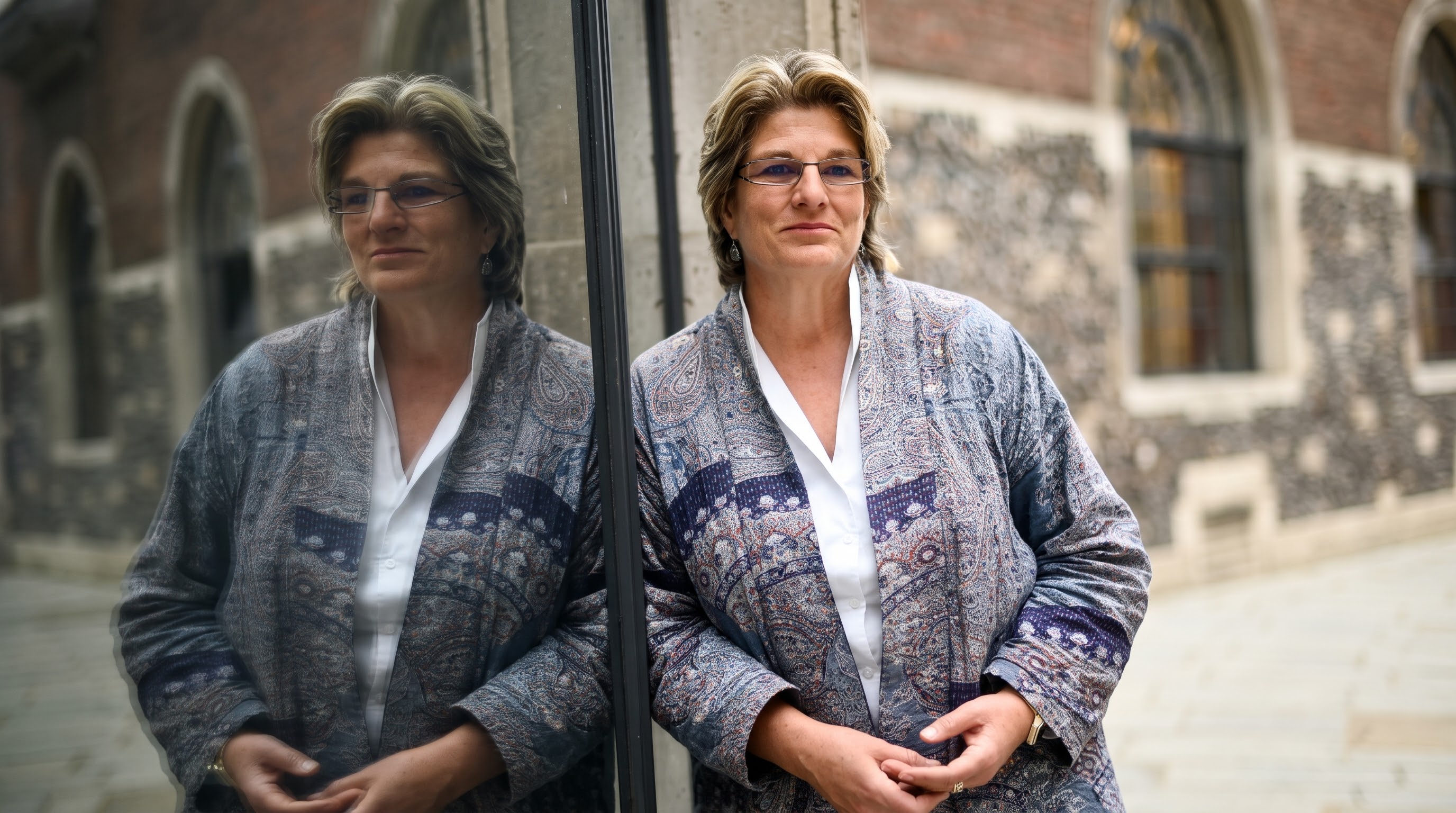
The argument over prayer sharpened after a parliamentary committee heard from Jayne Ozanne, a gay evangelical Christian and founder of the Ban Conversion Practices Coalition. She told lawmakers she had been traumatised by people praying for her to be straight, and argued that prayers intended to change someone's sexual orientation or gender identity should be prohibited.
Asked whether such prayers should be criminalised, including within families, Ozanne replied, "I think we need to be clear about what is wrong and right. Stealing is stealing. Whether you steal a sweet or a car, it is still stealing."
"It is the fact that they are trying to pray for you to be changed to a thing that they think you ought to be as opposed to praying for you to find a point of peace," she said. "Helping me come to a place where I know who I ought to be is very different from telling me that I have to be straight."
A government spokesman said, "Our draft bill would outlaw a specific form of abuse, setting high bars which protect freedom of expression, including for religious leaders, while ensuring no one is free to commit abuse." Ministers maintain the law is needed to close loopholes that leave gay and transgender people vulnerable to abuse.
"LGBT+ people should never, without exception, have to suffer coercion or abuse in an effort to change who they are. Successive governments have agreed for almost a decade that conversion practices have no place in modern Britain," the spokesman said.
He added, "This Government is clear that freedom of belief, whether faith-based or wider, will be respected by the ban, while our draft bill has already been welcomed by religious groups."
The Church pointed to its own history on the issue. "In 2017, the General Synod voted overwhelmingly to call on the Government to bring forward a ban on conversion therapy with respect to sexual orientation, which has since been echoed by senior leaders," its spokesman said. That vote was passed before the proposed law was widened to cover attempts to change someone's gender identity.
The bill applies to England and Wales and remains under examination by a joint parliamentary committee. It has not yet become law.
Comments
Join the conversation.
Have an account? Sign in to skip entering your details.
No approved comments yet.