
Dame Elizabeth Anionwu went from care home to sickle cell pioneer
Dame Elizabeth Anionwu spent years of her childhood in a Catholic children's home before transforming care for sickle cell patients. She is now an emeritus professor and patron of several charities.
- Published in News.
- 4 minute read.
- 2 readers have viewed this story.
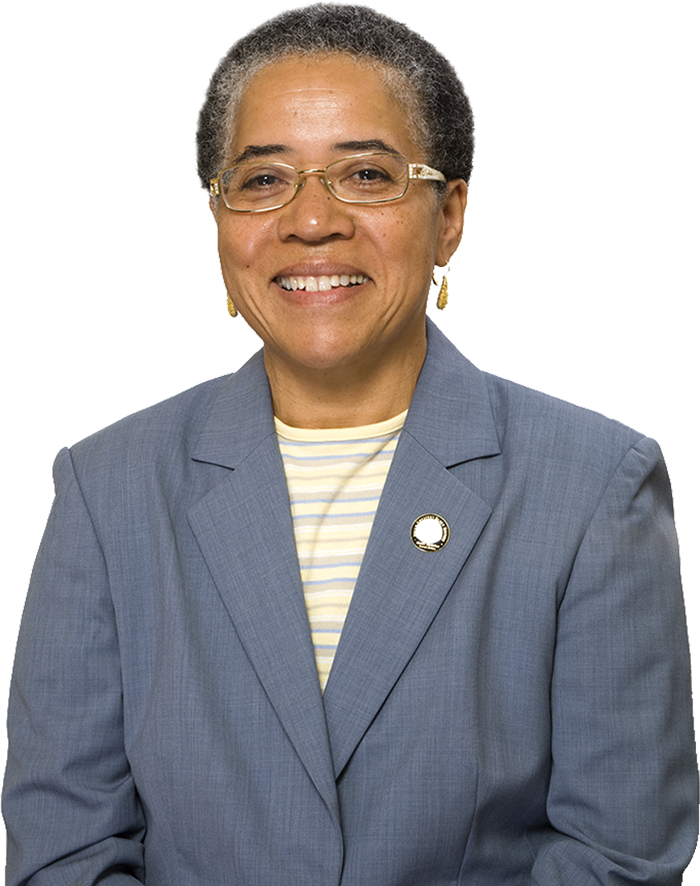
Dame Elizabeth Anionwu, a former children's home resident who helped create the UK's first nurse-led sickle cell centre, has been named one of the most influential nurses in NHS history.
The description appears in the notes for her Desert Island Discs appearance, which also credits her with 40 years of pioneering work that brought better treatment and support to thousands of people living with sickle cell disease.
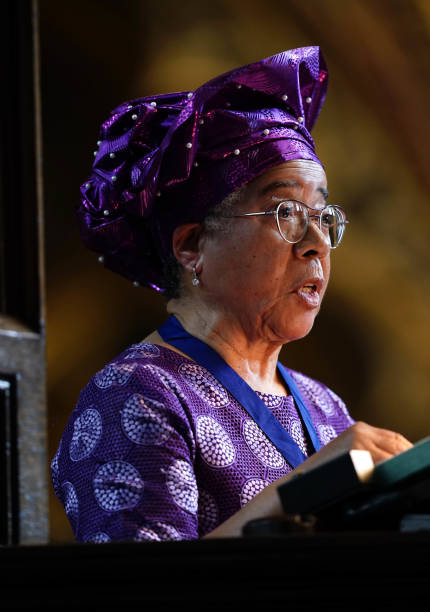
Now an emeritus professor of nursing at the University of West London, the 79-year-old chose Nina Simone's I Wish I Knew How It Would Feel To Be Free as her favourite record. Her book was Barack Obama's Dreams From My Father and her luxury a trampoline.
Her route to the top of the profession began far from the lecture hall. Born Elizabeth Mary Furlong in Birmingham on 2 July 1947, she was the daughter of an Irish mother and a Nigerian father who were both studying at the University of Cambridge.
According to published accounts of her life, she lived with her mother for just over two years before the arrangement collapsed and she was placed in a Catholic children's home. She spent several years at the Nazareth House convent in Birmingham, where she says she was harshly punished for wetting the bed.
The experience shaped her practice. Of her later work as a health visitor, she recalls "I made sure to keep up-to-date with more humane treatments for bedwetting".
She left school at 16 with seven O-levels and took a post as a school nurse assistant in Wolverhampton. She then qualified as a nurse, health visitor and tutor, and travelled to the United States to study sickle cell and thalassaemia counselling because no such courses existed in Britain.
In 1979 she worked with the consultant haematologist Dr Milica Brozovic to open a screening and counselling centre in the London Borough of Brent. It was the first of more than 30 centres across the UK to follow the Brent model.
Her academic career followed. She lectured at the Institute of Child Health at University College London from 1990 to 1997 and was promoted to senior lecturer in community genetic counselling.
She later became dean of the School of Adult Nursing Studies at the University of West London and was made a Professor of Nursing in 1998. At the university she established the Mary Seacole Centre for Nursing Practice.
She retired in 2007, though she says "it has not turned out to be a quiet retirement". She spent the next nine years raising funds for a statue of the British-Jamaican nurse Mary Seacole.
Anionwu had joined the appeal as a trustee in 2003 and rose to vice-chairperson. The bronze was unveiled in the grounds of St Thomas' Hospital in London in June 2016, and the episode notes describe it as the first in the UK to represent a named black woman.
She was appointed a Dame Commander of the Order of the British Empire in 2017 for services to nursing and the Mary Seacole Statue Appeal. She is also a Fellow of the Royal College of Nursing and a Life Patron of the Mary Seacole Trust.
Her work for the NHS Sickle and Thalassaemia Screening Programme included a nursing framework accredited by the Royal College of Nursing in 2010. A 2012 report on the contribution of specialist nurses was funded by a grant from Roald Dahl's Marvellous Children's Charity.
At 24 she traced her father, Lawrence Anionwu, a barrister and diplomat who had served as Nigerian ambassador to Italy and the Vatican. She visited Nigeria often afterwards and later took his surname.
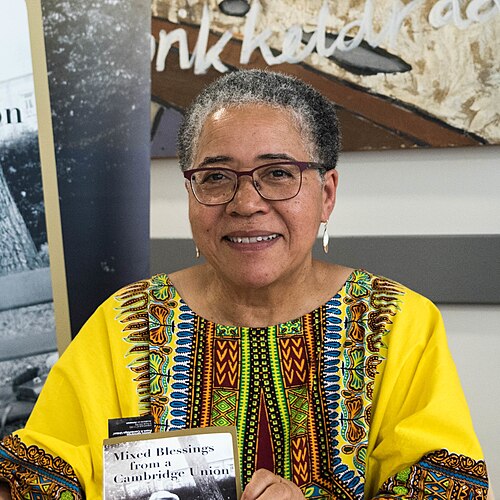
She published her memoir, Mixed Blessings from a Cambridge Union, in 2016. Her daughter is the actress Azuka Oforka.
Anionwu remains a patron of the Sickle Cell Society and the Nigerian Nurses Charitable Association UK. She is also vice-president of Unite/Community Practitioners and Health Visitors Association and an honorary adviser to the Chief Nursing Officer for England's Black and Minority Ethnic Strategic Advisory Group.
Comments
Join the conversation.
Have an account? Sign in to skip entering your details.
No approved comments yet.