
Byron Donalds elected Florida's first Black governor in tight race
Republican congressman Byron Donalds has won Florida's governor's race, becoming the state's first Black governor. His narrow margin over Democrat David Jolly came despite a roughly seven-to-one spending advantage.
- Published in News.
- 4 minute read.
- 4 readers have viewed this story.
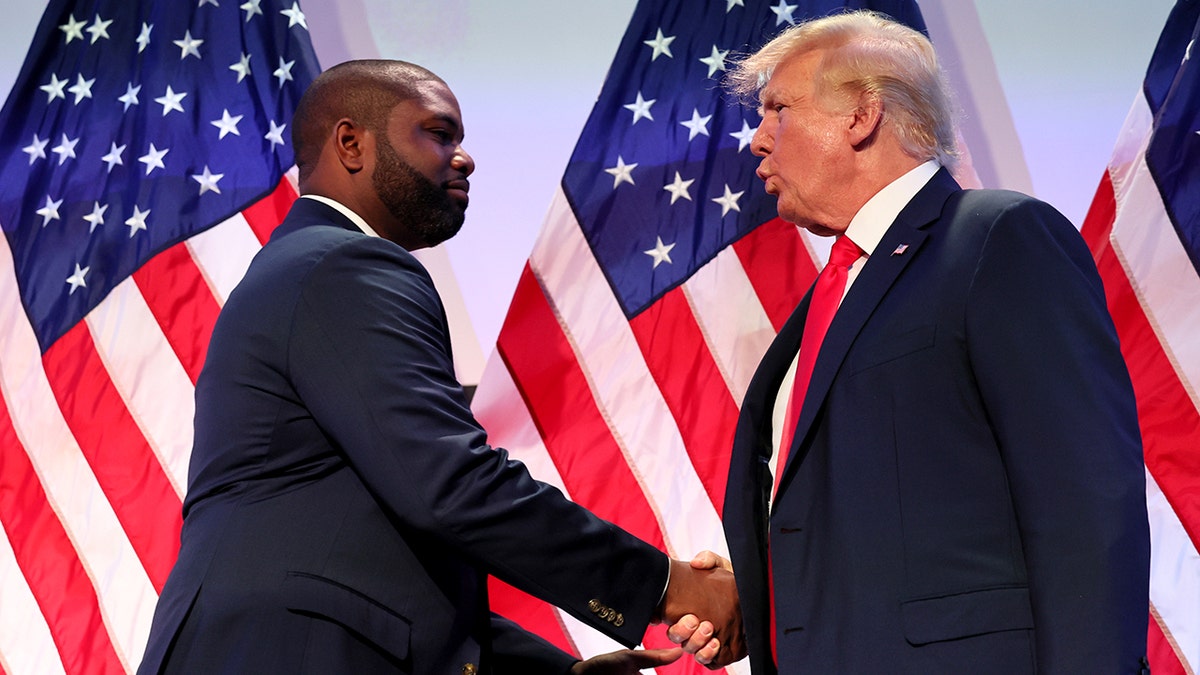
Republican congressman Byron Donalds has won Florida's governor's race, projections show, defeating Democrat David Jolly to become the state's first Black governor and the first Black Republican elected to the office nationwide.
Associated Press figures showed Donalds on 50 per cent to Jolly's 49 with 98 per cent of the vote counted, a margin that kept Republicans on edge for much of Tuesday night.
A once safe contest tightened in the final weeks as voters soured on the economy, rising costs and data centres. The final polls put Donalds ahead but far from secure, with New York Times/Siena showing him up 48 to 44 and St Pete Polls giving him a 48 to 46 lead.
"I am humbled and grateful beyond measure," Donalds said in a victory statement posted to X.
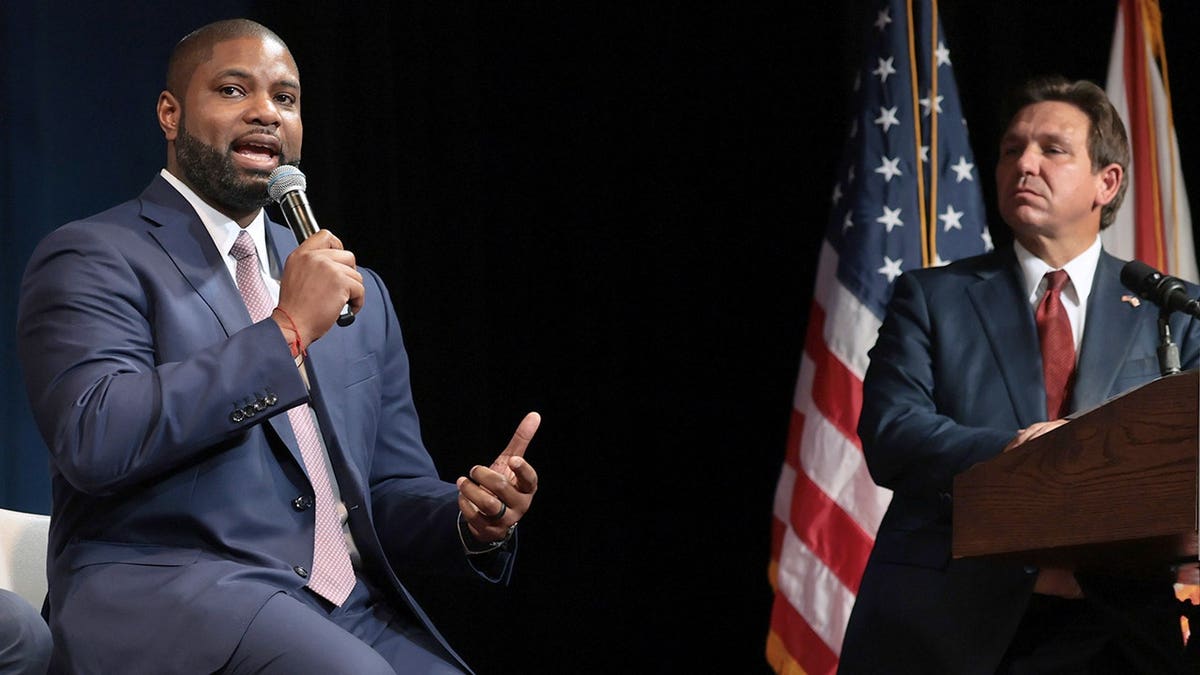
He added, "As your Governor, I will give you everything I have. We are going to make life in Florida more affordable. We are going to keep our streets safe. We are going to invest in our young people so that they can attain the Florida Dream that all of us love so dearly. Florida is the envy of the nation. I will fight day and night to keep it that way and to lift our state to even greater heights."
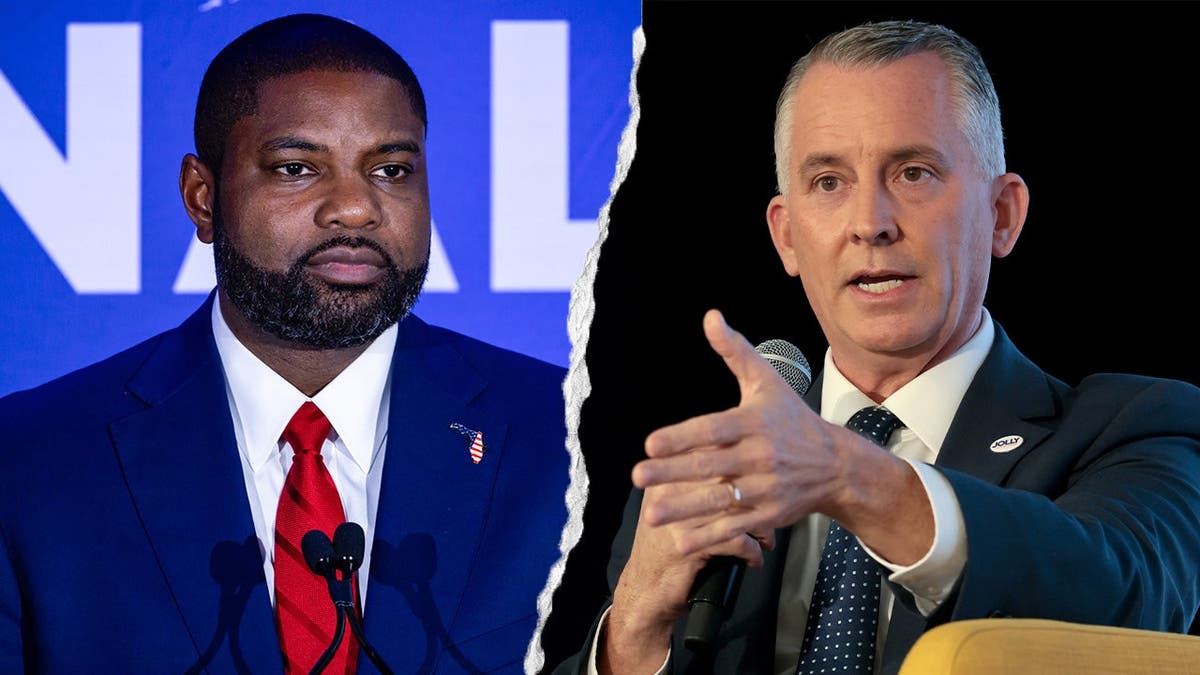
Donalds repeatedly accused Jolly of embracing "radical socialism". Jolly told Fox News in the closing weeks, "Byron Donalds is a liar. I've condemned socialism in the DSA [Democratic Socialists of America] hundreds of times, and he knows that."
A 48-year-old New York City native, Donalds moved to Florida for college and worked in finance, insurance and banking before entering politics. He switched from Democrat to Republican in 2010 during the Tea Party movement.
Voters sent him to the Florida House in 2016 for two terms, and he was first elected to Congress in 2020, representing southwest Florida.
Donald Trump endorsed him in February 2025, before the congressman had formally launched his campaign.
Donalds took nearly half the vote in the Republican primary on 18 August, beating Lieutenant Governor Jay Collins, former House Speaker Paul Renner and business executive James Fishback. Jolly won the Democratic nomination the same night.
Term-limited Governor Ron DeSantis stayed neutral while his own deputy challenged Donalds, then endorsed the winner once the nomination was settled. Senator Rick Scott also backed Donalds, uniting a state party that had often split between the governor and the president.
References to Trump vanished from the campaign website in late September as the president's approval ratings declined. Trump nonetheless rallied for Donalds at Florida Gulf Coast University in Fort Myers on 23 October and returned to Daytona Beach on 30 October.
Donalds raised nearly $150 million against roughly $22 million for Jolly, according to OpenSecrets, and entered the final weeks with a $33 million cash advantage.
His platform prioritised tax cuts, lower property insurance costs and wider educational opportunities. Both men campaigned on affordability, while Jolly also targeted Donalds over data centres and vowed a moratorium on new construction.
Barack Obama endorsed Jolly in the final stretch, calling him "independent minded", while Bill Clinton rallied for him in South Florida.
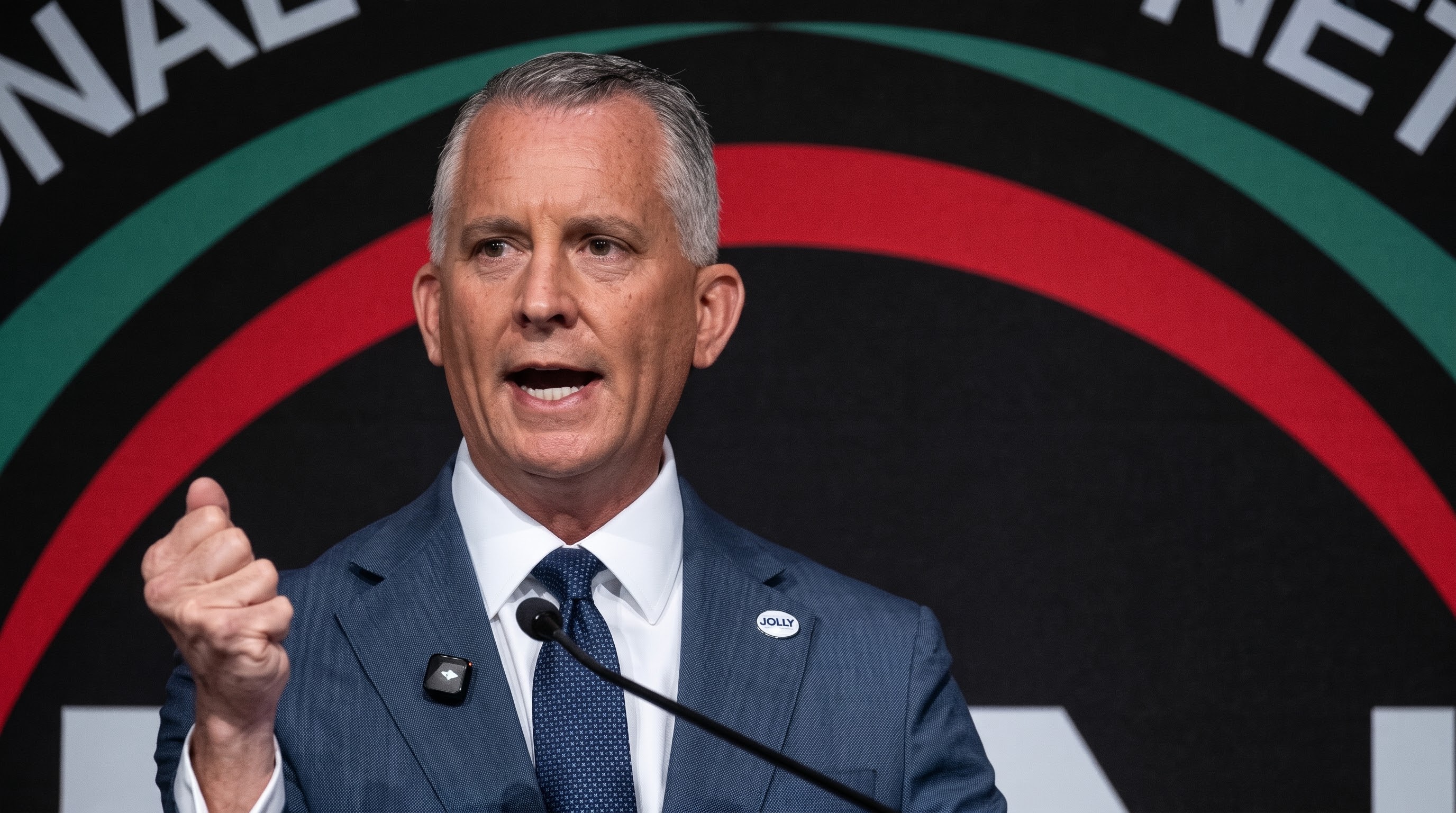
Jolly, a Florida native, worked as a top adviser to the then congressman Bill Young, and as a lawyer and lobbyist. He won a special congressional election in March 2014, secured a full term later that year and lost re-election in 2016.
He left the Republican Party in 2018, became a vocal Trump critic and joined the Democrats in 2025. Former congresswoman Gwen Graham was his running mate.
Black candidates ran under both major parties in the contest, yet Donalds largely avoided making race a theme. He told CBS News Miami in March that he recognised the significance of potentially becoming the first Black Republican governor of a Southern state but wanted to focus on his conservative policies and principles.
He told the network in October that his campaign was targeting more than 20 per cent of the Black vote in Florida.
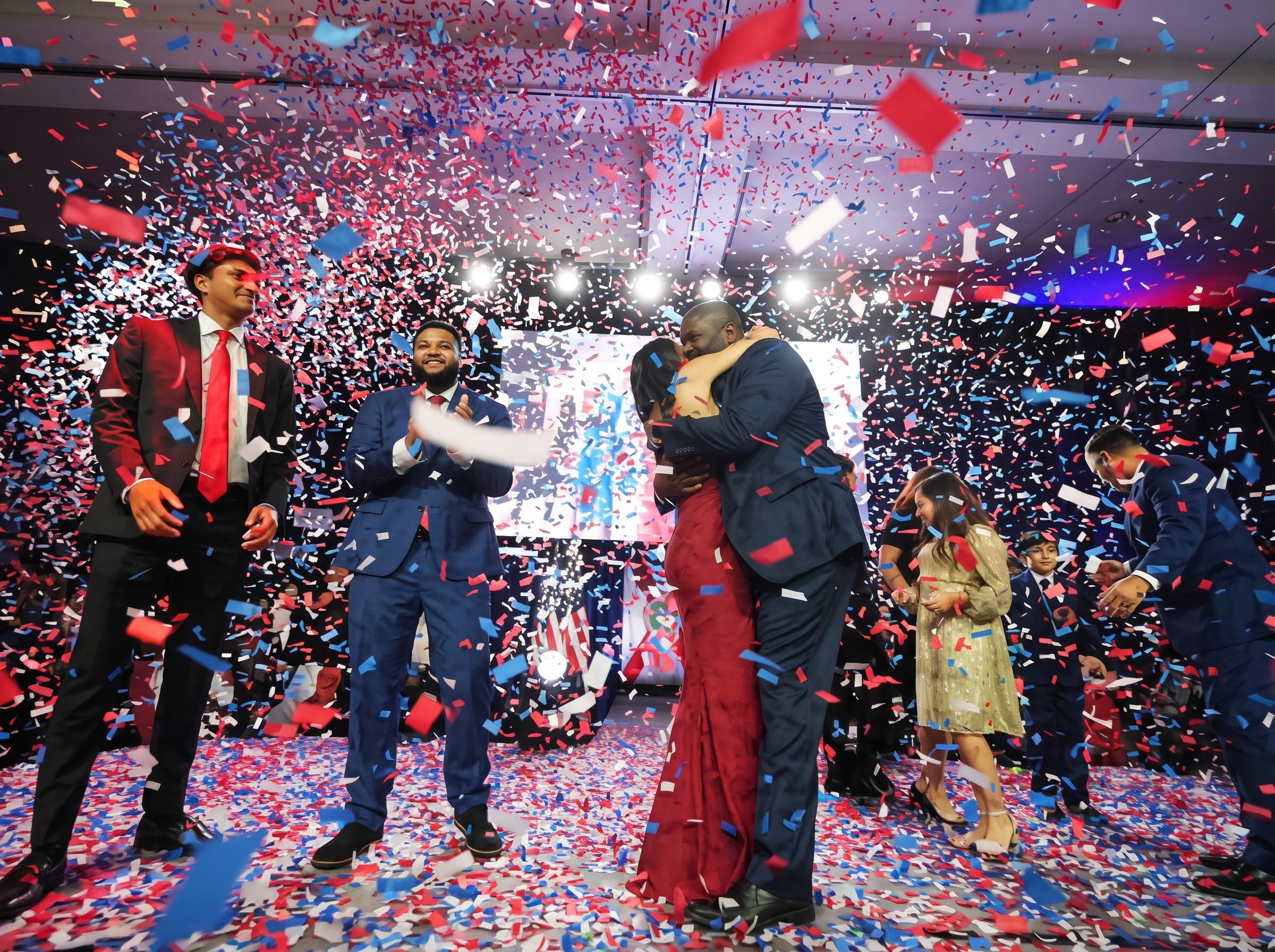
Florida had never elected a Black governor in its 180-year history. Only three Black politicians had won governorships before this year's midterms. They were Douglas Wilder of Virginia, Deval Patrick of Massachusetts and Wes Moore of Maryland, all Democrats, the agency reported.
Florida was once the largest general election battleground but has moved right over the past decade. DeSantis beat Charlie Crist by more than 19 points in 2022, and Trump carried the state by 13 points in 2024.
Republicans hold a registered voter advantage of roughly 1.5 million, yet Democrats have become competitive again amid a difficult political climate for the GOP. Voters elsewhere registered discontent with Trump policies on Tuesday as Democrats gained seats in both the House and the Senate.
Democrats have not won the Florida governorship since Lawton Chiles in 1994. Donalds will succeed DeSantis in leading the nation's third most populous state as Republicans look ahead to the 2028 presidential contest.
Comments
Join the conversation.
Have an account? Sign in to skip entering your details.
No approved comments yet.