
Nigeria confirms Ebola case in Abuja, 44 contacts identified
Nigeria has confirmed an Ebola case in Abuja after a woman arriving from Uganda tested positive. Health teams have identified 44 contacts while Uganda says the source of infection remains under investigation.
- Published in News.
- 4 minute read.
- 2 readers have viewed this story.
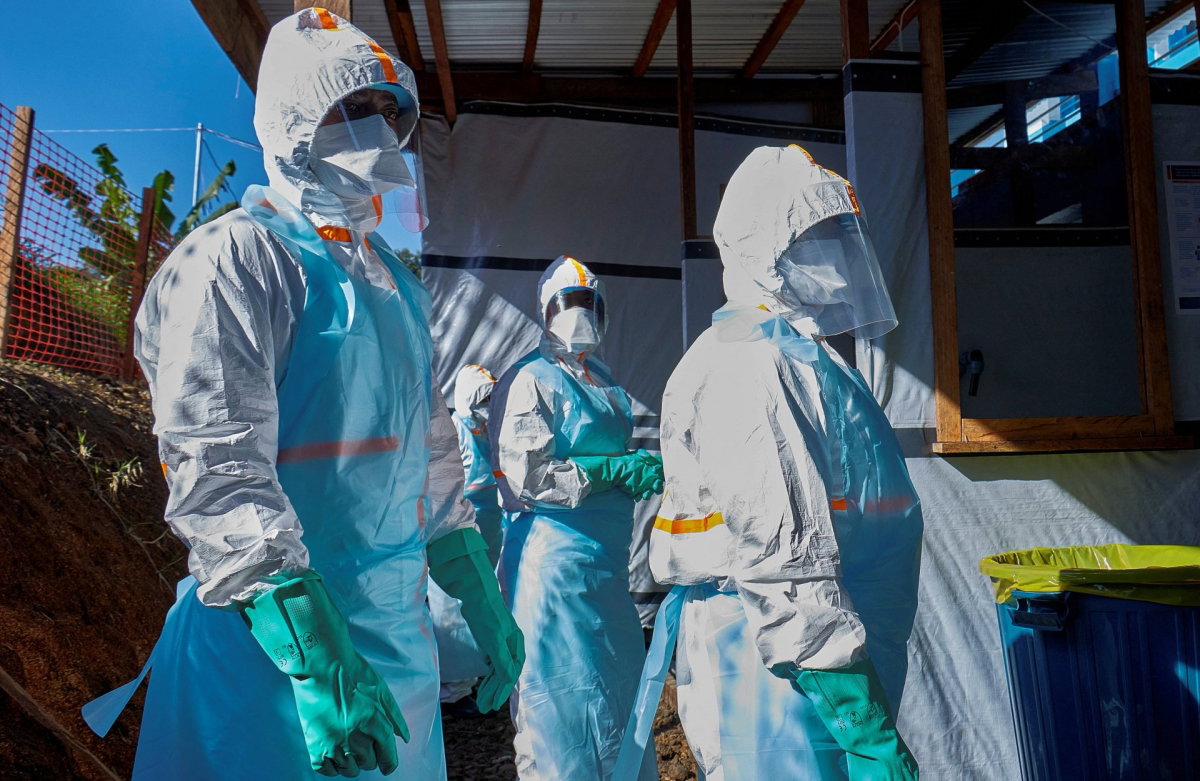
Nigeria confirmed an Ebola case in Abuja on Tuesday after a woman who arrived from Uganda tested positive, prompting contact tracing and a nationwide hospital alert, the Health Ministry said.
Uganda's Ministry of Health said the woman had only transited through the country and is a Nigerian who had been on a business trip to eastern Congo. Nigerian authorities have not disclosed her nationality.
"Travel through Uganda does not establish that infection occurred here. The location of exposure remains under investigation," the ministry said in a statement. It insisted Uganda has "no confirmed active Ebola cases."
Health and Social Welfare Minister Muhammad Ali Pate disclosed the case on 20 October, after laboratory tests confirmed the infection.
"The patient is a woman who had travelled to Eastern Africa, to Uganda in particular. She came back, had symptoms that commenced on the 7th of October. On the 11th, she attended a private facility where she was being taken care of. Her symptoms progressed, and further tests indicated that she had Ebola virus disease," the minister said.
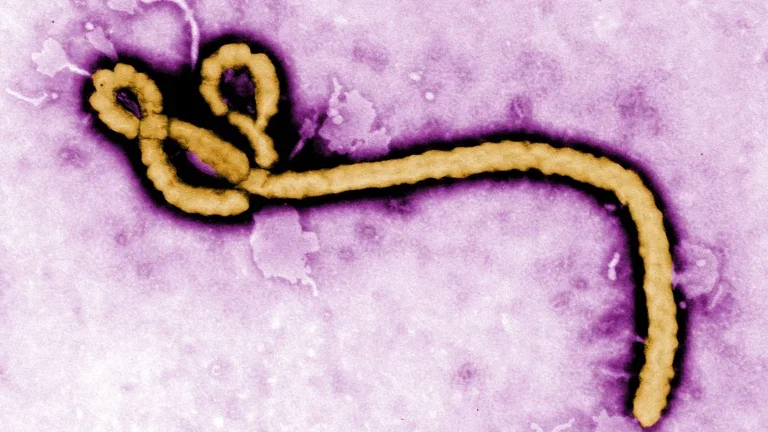
The woman is in isolation and receiving medical care. It is unclear when she arrived in Nigeria.
"Contact tracing has been conducted, and it's underway as we speak, with 44 contacts already identified," Pate said. He said those being monitored included healthcare workers, patients, caregivers and people who might have travelled with the woman.
Pate urged anyone contacted by public health teams, including potentially exposed airline passengers, to supply the information requested and follow public health advice.
He listed fever, severe weakness, headache, vomiting and diarrhoea as symptoms to watch for. "Anyone who develops symptoms should avoid close contact with others and call public health authorities for guidance before visiting a healthcare facility," the statement advised.
The World Health Organisation says infected people do not transmit the virus before symptoms develop, and that the incubation period ranges from two to 21 days.
Pate told Nigerians to stay calm but vigilant, wash their hands regularly, avoid contact with the blood or body fluids of suspected cases, refrain from spreading unverified information and cooperate with tracing teams.
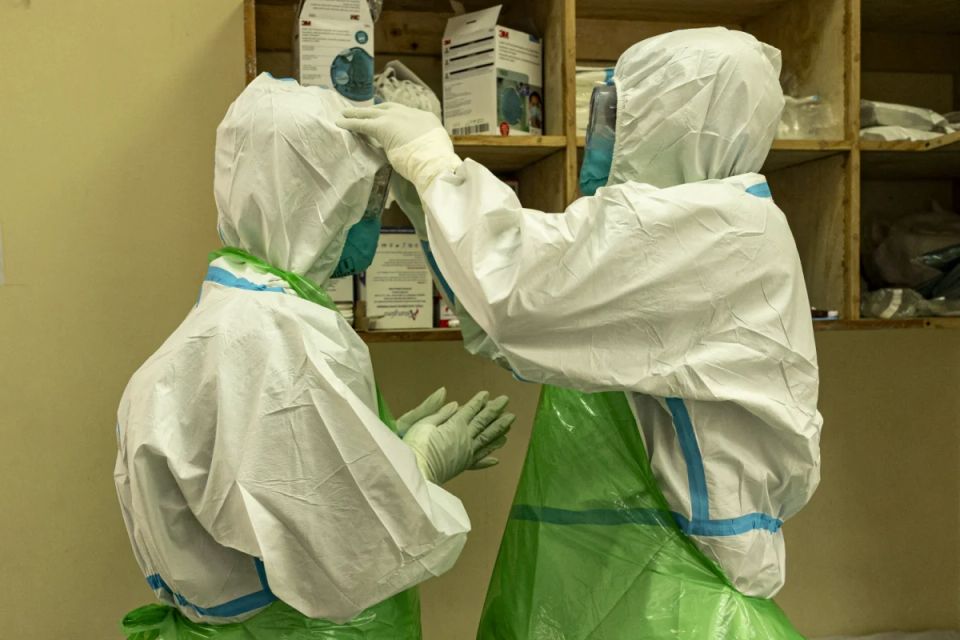
Public and private hospitals nationwide were directed to stay on high alert, keep a high index of suspicion, and promptly isolate and report suspected cases. The private hospital that treated the patient is receiving support to strengthen infection prevention and control.
The Federal Ministry of Health and Social Welfare, the Nigeria Centre for Disease Control and Prevention (NCDC), the FCT Health Services Secretariat, the WHO and the Africa Centres for Disease Control and Prevention (Africa CDC) are working together to contain the infection. Members of the public can report suspected cases on the NCDC's toll-free line, 6232, which runs 24 hours a day, seven days a week.
Pate pointed to Nigeria's containment of the 2014 outbreak as proof that the country has the expertise and response systems to manage the case. That outbreak began when Patrick Sawyer, an infected traveller from Liberia, entered the country, and Nigeria recorded 20 cases before declaring it over after three months.
The case adds to a Bundibugyo virus outbreak that has infected more than 9,500 people and killed more than 4,600. The WHO says it is the fastest-spreading Ebola outbreak on record and on track to exceed the 2014 to 2016 West African epidemic, which killed 11,000 people.
Kenya confirmed its first case earlier this month and had nine confirmed cases by Tuesday.
Dr Jean Kaseya, director general of Africa CDC, said he had spoken to Pate and commended him for promptly sharing the information. The agency is mobilising support for Nigeria while intensifying its response in Congo and Kenya and maintaining heightened vigilance in Uganda.
Kaseya said on X that "we are facing an extremely serious threat," and put the mortality rate in Congo at close to 50 per cent.
He called for immediate and flexible financing, medical supplies, diagnostic capacity, trained responders and stronger community-based surveillance, warning that delays could cost lives. "We cannot allow this outbreak to spread to more countries or continue for another year," he said.
Africa CDC warned of the regional implications when it declared the outbreak on 15 May 2026. "This Ebola Bundibugyo outbreak has already become the most geographically widespread Ebola outbreak in history, affecting multiple countries across three regions of Africa," Kaseya said.
Nigeria's NCDC had cautioned in an advisory on 6 October about the risk of importing the infection after the Kenyan case, which was linked to the outbreak in the Democratic Republic of Congo. The agency said it was stepping up surveillance and preparedness. "These efforts have focused on early detection, isolation and referral, laboratory diagnosis, infection prevention and control, contact tracing, risk communication and protection of health care workers," it said.
Pate said the Presidential Task Force on Ebola Virus Disease was constituted in May 2026, although other reports date its announcement to June.
"We do not want a repeat of what happened during the last outbreak when a carrier entered the country, and everyone was scrambling to respond," said Femi Gbajabiamila, chief of staff to President Bola Tinubu, when the body was announced.
The Federal Government said investigations and contact tracing were continuing, with further updates expected as more information becomes available.
Comments
Join the conversation.
Have an account? Sign in to skip entering your details.
No approved comments yet.