
World Court rules Myanmar committed genocide against Rohingya
The International Court of Justice found Myanmar responsible for genocide in 2017 and ordered reparations and safe returns for the Rohingya. The ruling is final, but options to enforce it are limited.
- Published in News.
- 4 minute read.
- 3 readers have viewed this story.
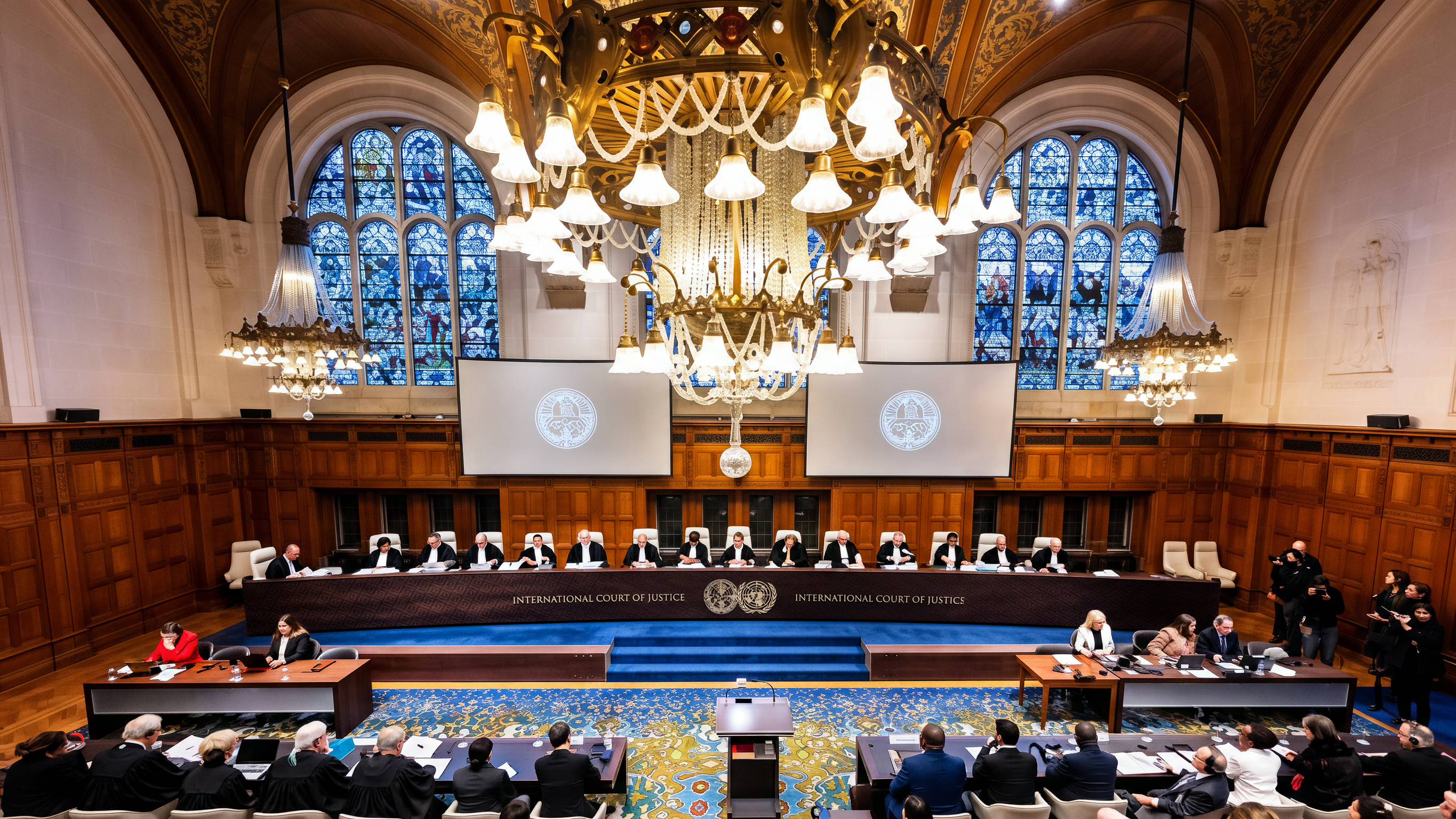
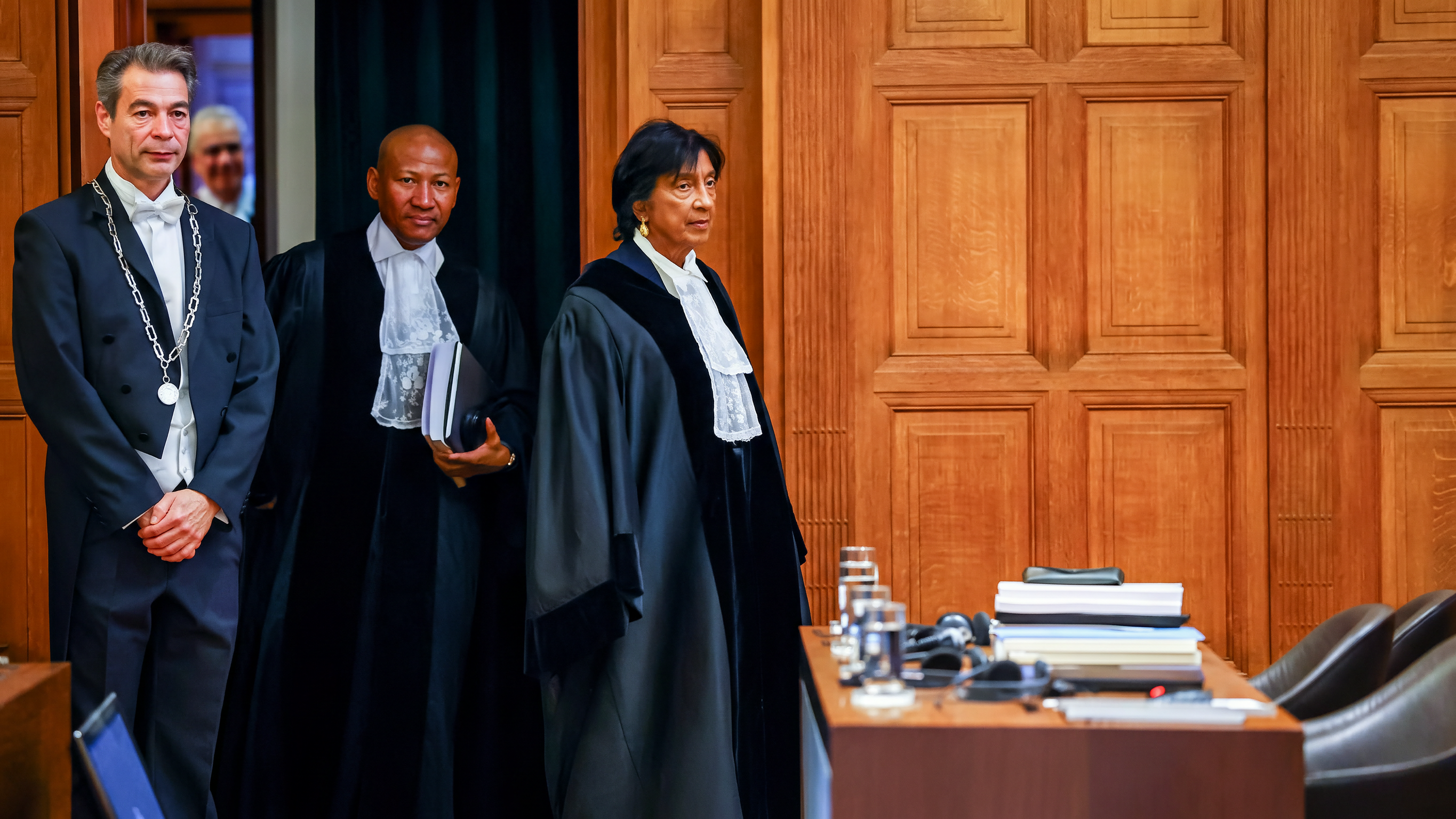
The International Court of Justice in The Hague ruled on Thursday that Myanmar committed genocide against the Rohingya in 2017, the first time the court has held a state responsible for the crime.
Court President Yuji Iwasawa said the bench found by nine votes to six that Myanmar “has committed genocide against the Rohingya group in northern Rakhine state, in violation of its obligations under the Genocide Convention”.
The court adopted a UN fact-finding mission estimate of at least 10,000 deaths during the military clearance operations, Iwasawa said during a three-hour reading of the judgment.
“The Court finds that Myanmar’s security forces killed thousands of Rohingya civilians, perpetrated widespread acts of sexual violence, as well as acts of extreme violence against children, and attacked fleeing Rohingya as they sought to flee in large numbers to Bangladesh,” he told the court.
The judgment held that “the only reasonable inference that can explain Myanmar's actions is an intention to destroy a substantial part of the protected group namely the Rohingya population in Northern Rakhine state”. Judges also cited the murder of infants, which Iwasawa said “supports the inference that Myanmar’s security forces acted with the intent to prevent births among the group”.
The court ruled that Myanmar should have known of a risk of genocide once armed civilians joined the military campaign. “Myanmar thus violated its obligation to prevent genocide,” it added.
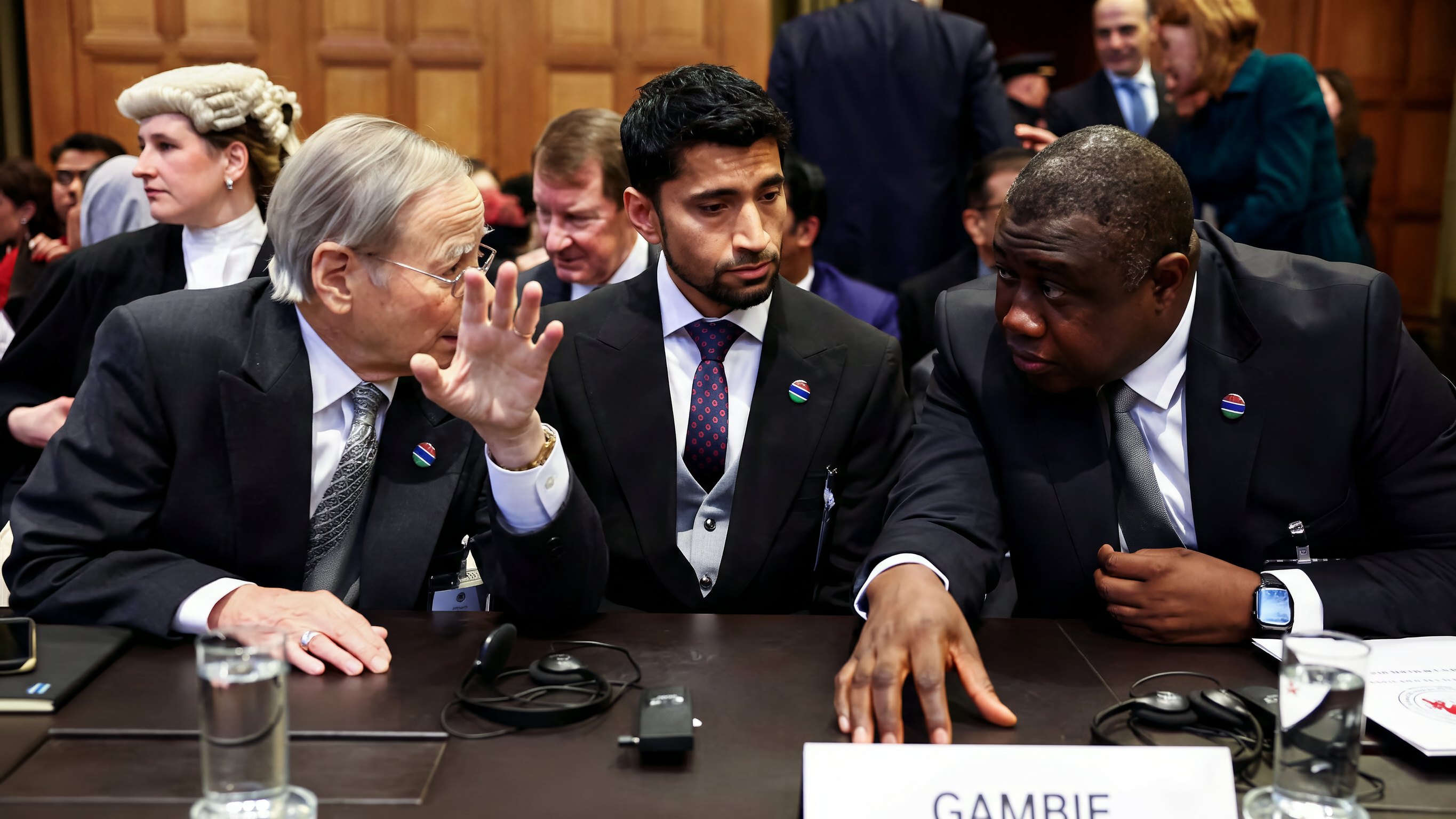
Myanmar’s government has denied genocide and says its forces were confronting a violent insurgency. It did not immediately respond to a request for comment on the ruling.
Naypyidaw had told the court its crackdown answered attacks on police posts by the Arakan Rohingya Salvation Army. A witness called by Myanmar also described an attack in which the group allegedly killed around 100 civilians.
UN Secretary-General António Guterres welcomed the judgment as a “powerful recognition of the Rohingya victims of genocide. It is a demonstration of international justice and a reaffirmation that impunity for such horrific acts must not stand.”
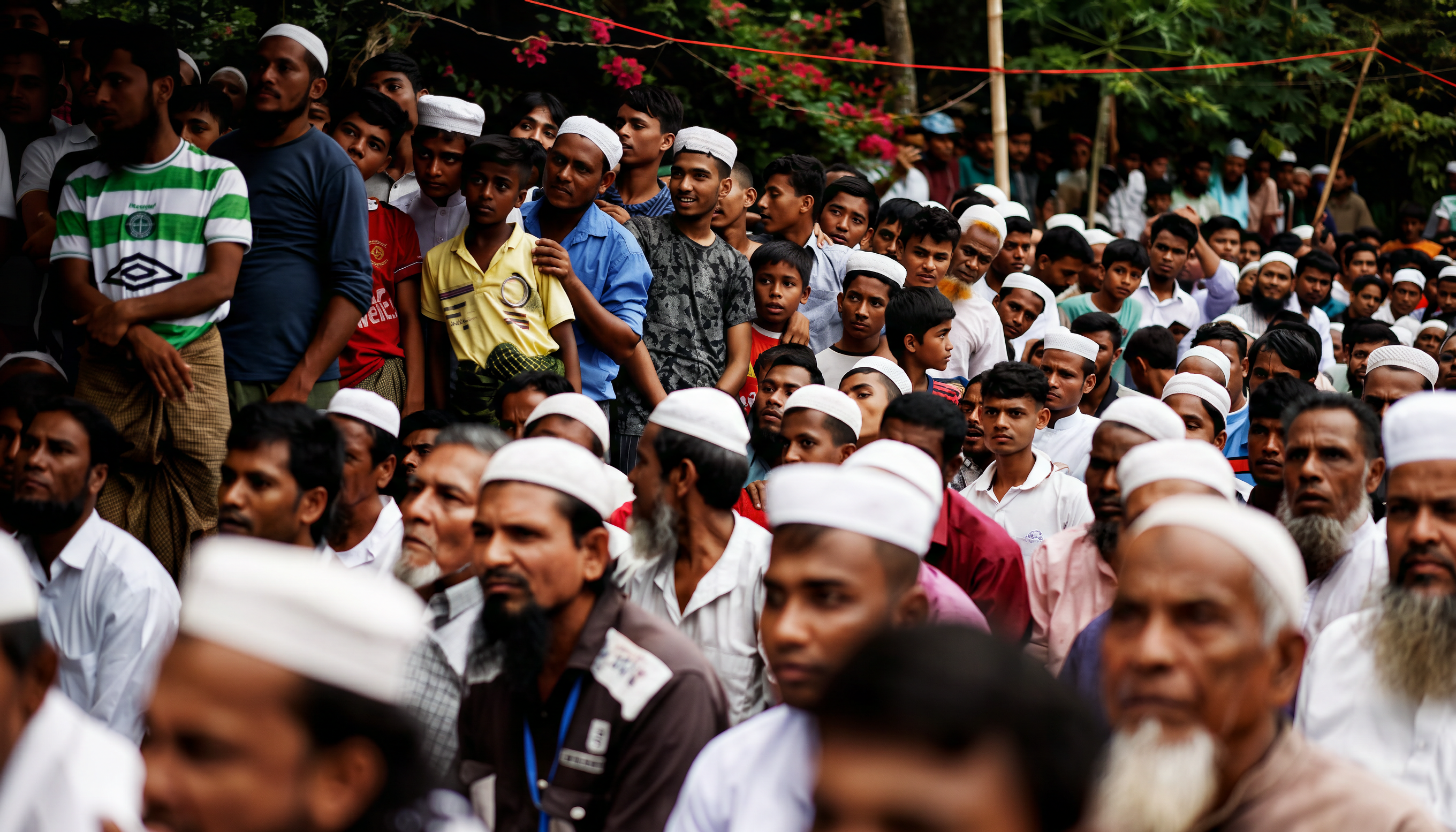
The Gambia, which brought the case with the backing of the Organisation of Islamic Cooperation, called the ruling “a historic day for international justice” and urged Myanmar to comply “fully and without delay”.
Wai Wai Nu, executive director of the Women’s Peace Network and a former political prisoner, said the court had “permanently shattered that state-sponsored lie”. Yanghee Lee, a founding member of the Special Advisory Council for Myanmar, said “justice has been decided, but not yet delivered”.
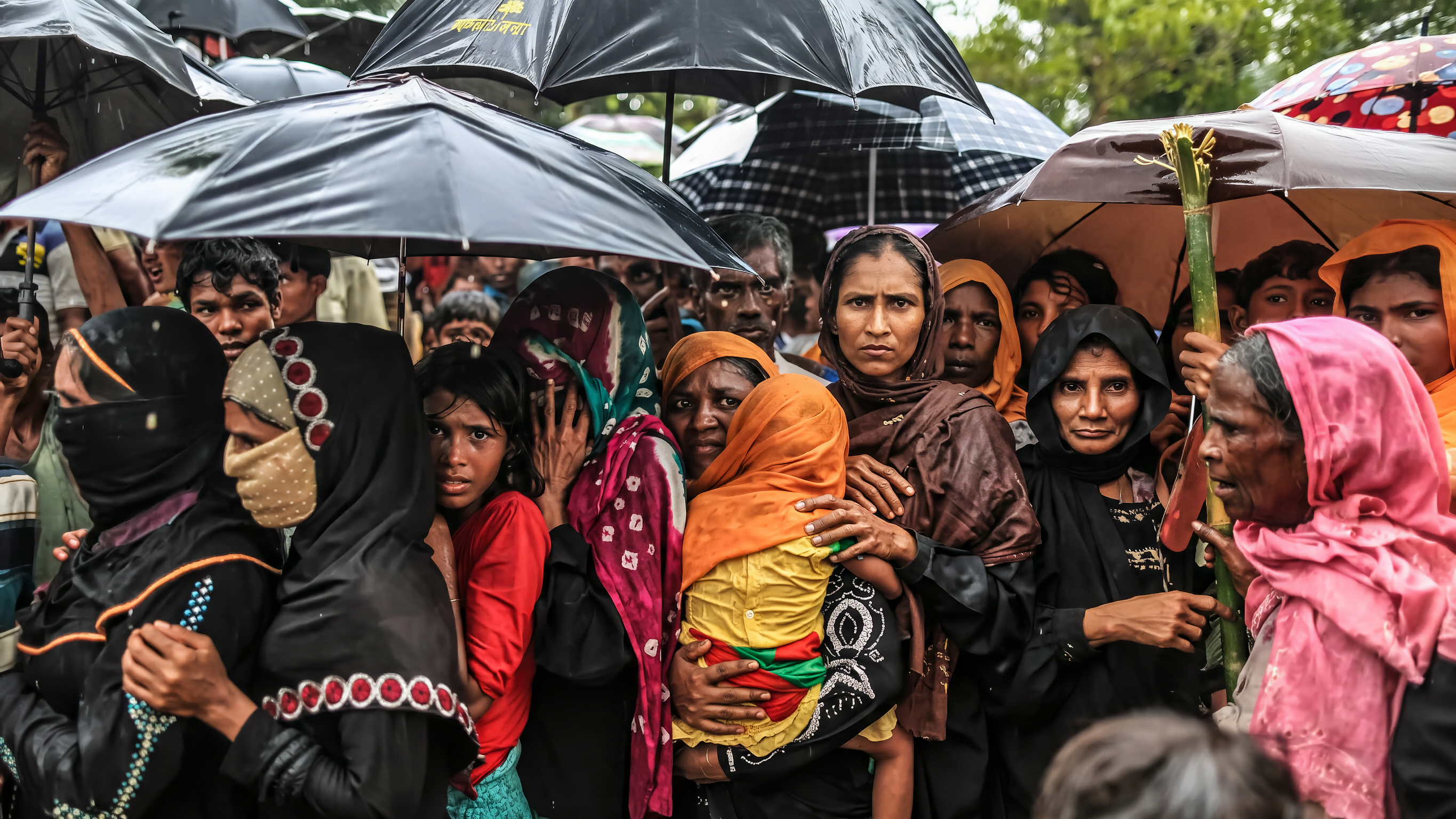
From the Cox’s Bazar camps in Bangladesh, community representative Sayed Ullah said the decision “will strengthen our efforts to return home”.
The court ordered Myanmar to enact legislation giving effect to the Genocide Convention and to investigate and, where warranted, prosecute those suspected of violations. It also ordered guarantees of non-repetition and the safe, voluntary and dignified return of displaced Rohingya, along with family reunification.
Judges left the amount of compensation to a later phase and told Myanmar to report on its restitution measures within two years. The judgment is binding and without appeal, but the court has very limited means to enforce it.
The 2017 operations drove at least 700,000 Rohingya from northern Rakhine state into Bangladesh. More than 1.3 million remain displaced across South and Southeast Asia, including 1.2 million in camps at Cox’s Bazar.
Evidence before the court showed nearly 400 of almost 1,000 villages in three northern townships were partially or totally destroyed. Judges also found the military spread hate speech against the Rohingya on Facebook, and Meta has said it worked to block such content and assisted UN investigators.
The Gambia filed the case in November 2019. Only Rwanda in 1994, Srebrenica in 1995 and the Khmer Rouge in Cambodia had previously been recognised as genocide by international courts.
In 2007 the ICJ found Serbia failed to prevent the Srebrenica genocide but did not commit it, and in 2015 it dismissed Croatia’s genocide claim against Serbia for lack of proven intent.
International human rights lawyer Toby Cadman called proving intent to destroy a group “an extremely high bar”, noting the ICJ had never before found a state had such intent. Amnesty International said it hoped the ruling marked “the beginning of a long overdue process of accountability in Myanmar”.
Reuters reported that the decision is expected to carry weight in South Africa’s 2023 case accusing Israel of genocide in Gaza. Israel denies the charge and says its forces responded lawfully to armed groups.
The ICJ settles disputes between states and cannot jail individuals, a power held by the International Criminal Court. Cadman said much now depends on whether the matter reaches the UN Security Council and whether sanctions or other remedies follow.
Britain said it would expel Myanmar’s defence attaché and set out further action in the coming days. Foreign Secretary Ed Miliband called for an urgent Security Council session, and two British lawmakers urged the government to table a resolution compelling enforcement.
Comments
Join the conversation.
Have an account? Sign in to skip entering your details.
No approved comments yet.