
Tupac murder trial lawyer Michael Sanft dies aged 55
Michael Sanft, who defended Duane "Keffe D" Davis over the killing of Tupac Shakur, has died. Prosecutors, judicial staff and fellow lawyers have paid tribute.
- Published in News.
- 4 minute read.
- 7 readers have viewed this story.
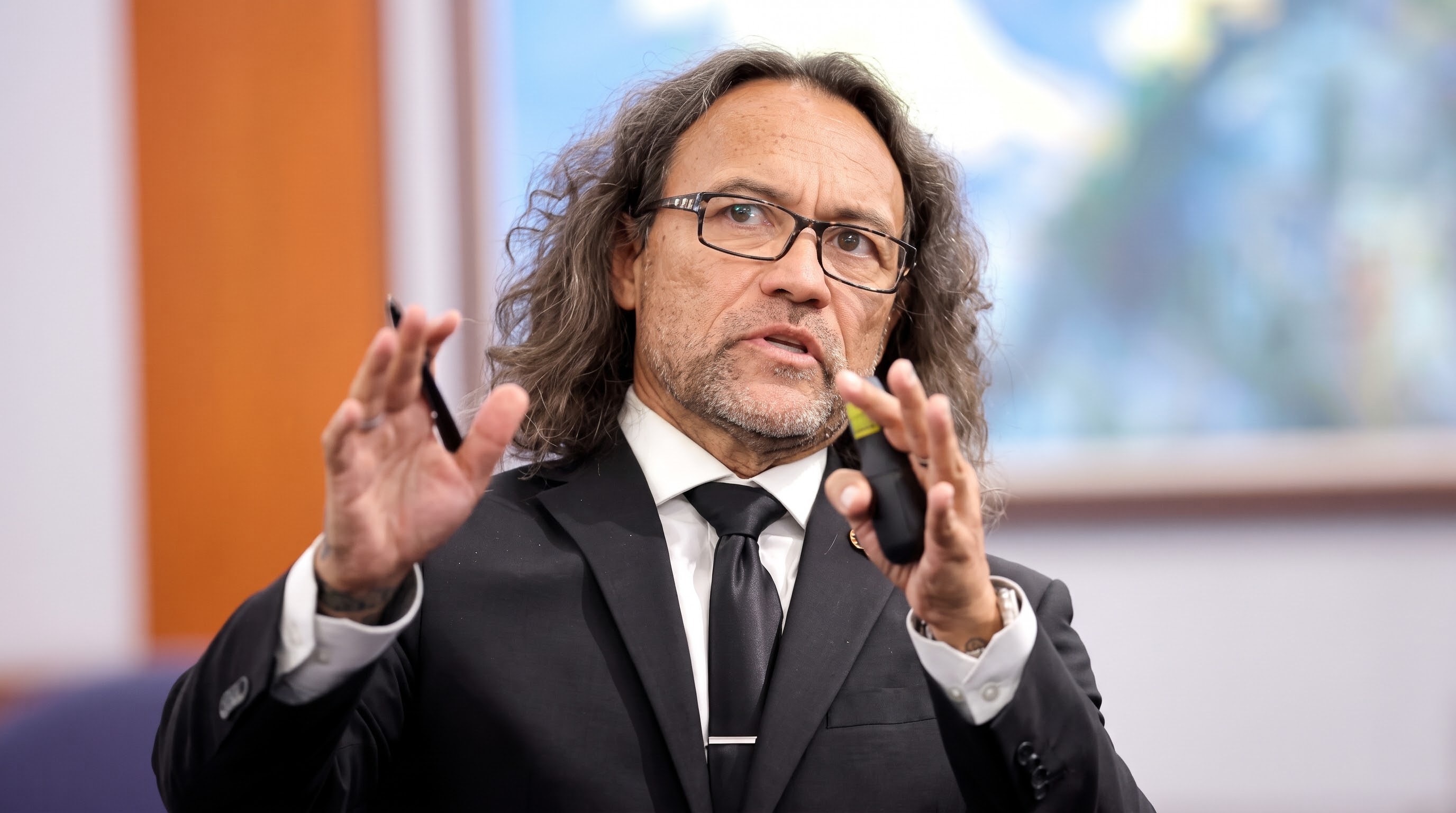
Michael Sanft, the Las Vegas lawyer who defended Duane "Keffe D" Davis at his Tupac Shakur murder trial, has died aged 55, according to the Clark County coroner's office in Nevada.
Local reports said Sanft was found dead at his home on Friday morning, only days after notice of an appeal against Davis's conviction was filed on 30 October. The coroner's office gave no official date of death.
A police spokesperson told local media the death did not appear suspicious.
Marc DiGiacomo, one of the prosecutors in the case, called Sanft "one of the premier defense attorneys in Las Vegas." "Las Vegas lost a good lawyer and more importantly to me, I lost a friend," DiGiacomo said on Friday.
Binu Palal, another prosecutor, said on Monday that he was saddened by the loss of a friend of many years. "Mike was an exceptionally talented trial attorney and a fierce advocate for his clients," Palal said in a statement.
"We stood on opposite sides of a highly publicized case, but our professional differences never diminished our friendship or the respect we had for one another," he added.
Clark County District Court marshal Michael Sloan, who described himself as one of Sanft's best friends, remembered "one of the best human beings I knew."
Mike Troiano, another Las Vegas attorney, honoured Sanft as an "extremely talented trial lawyer who jurors and his peers loved." "I'm in total shock by this news, as is the legal community as a whole," Troiano said.
Former Las Vegas councilwoman Michele Fiore, whom Sanft represented, also paid tribute. "It's extremely sad, and the community has lost a very caring, great attorney," she told reporters.
Prosecutors had accused Fiore of using about $70,000 meant for a statue honouring a dead police officer on personal expenses, including cosmetic surgery. A jury convicted her of federal wire fraud in October 2024, and President Donald Trump pardoned her the following April, before she was sentenced.
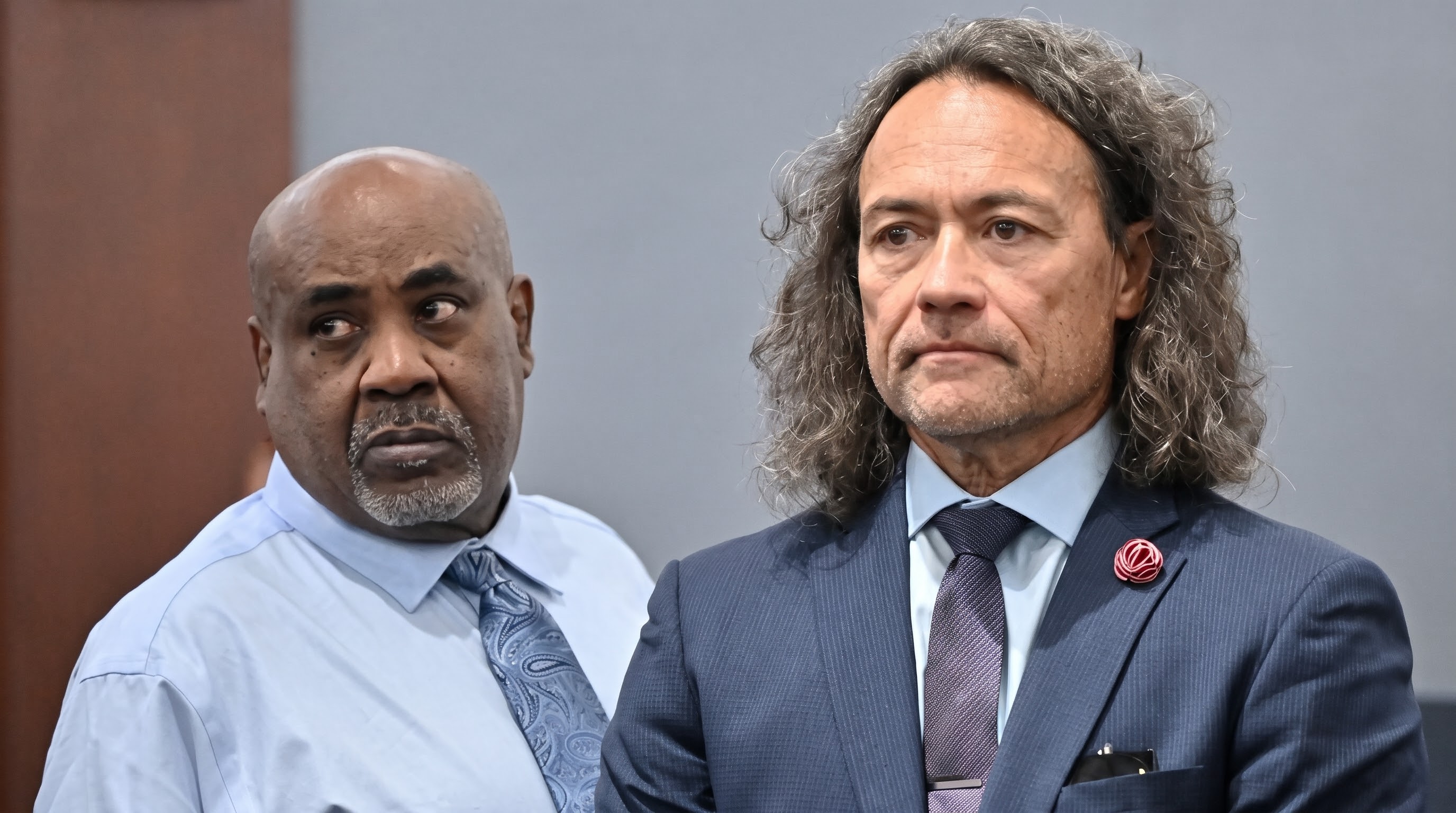
Davis, 63, was sentenced on 13 October to 40 years to life in prison. A jury had found him guilty of first-degree murder with the use of a deadly weapon over the 1996 killing of Shakur.
He remains the only person ever charged over the shooting. Prosecutors brought the case after he gave interviews and published a 2019 memoir describing his role.
Shakur, 25, was in the passenger seat of a black BMW beside music mogul Marion "Suge" Knight on the night of 7 September 1996 when a white Cadillac pulled up at a red light. Shots were fired and Shakur was hit several times. He died six days later.
Davis wrote in his memoir that he sought revenge after Shakur and his entourage beat up his nephew, Orlando Anderson, hours earlier. He said he sat in the passenger seat of the Cadillac and passed the gun to the backseat.
Davis had spoken to detectives years earlier but avoided prosecution under an agreement with authorities. Prosecutors relied on his own statements at trial, and Sanft argued that those confessions were lies.
After nine days of testimony in August, the jury deliberated for three hours before returning its verdict. Sanft later described himself as "very disappointed in the jury."
"He had reminded me this is phase one," Sanft said of Davis. "I don't see what I could've done differently," he said of the case, which he took on pro bono.
Sanft also addressed questions about funding in a July interview with podcaster Lena Nozizwe. "The idea of money with the Davis family has never been an issue for me, nor has this money come from any other source," he said. "Because there isn't any."
Sanft was lead trial attorney at SOS Injury Lawyers, which said he had tried more than 150 cases to jury verdict. The firm called him "one of the most respected and effective trial attorneys in America."
His firm biography says he grew up on the Pacific island nation of Tonga in a home with no electricity, sharing a water faucet with three other houses. He moved to San Diego at 12.
After a mission for the Church of Jesus Christ of Latter-day Saints, he enrolled at Brigham Young University's Hawaii campus. There he found "a bridge to his native culture" as a dancer at the Polynesian Cultural Center, the biography reads.
The coroner's office has yet to determine a cause and manner of death.
Comments
Join the conversation.
Have an account? Sign in to skip entering your details.
No approved comments yet.