
Jensen Huang resigns as Nvidia chief after alleged affairs and spy scandal
Jensen Huang has stepped down as Nvidia chief executive after reports of extramarital affairs, including one with a woman US officials suspect of being a Chinese asset. Shares plunged on the news and Congress is calling for investigations.
- Published in News.
- 5 minute read.
- 8 readers have viewed this story.
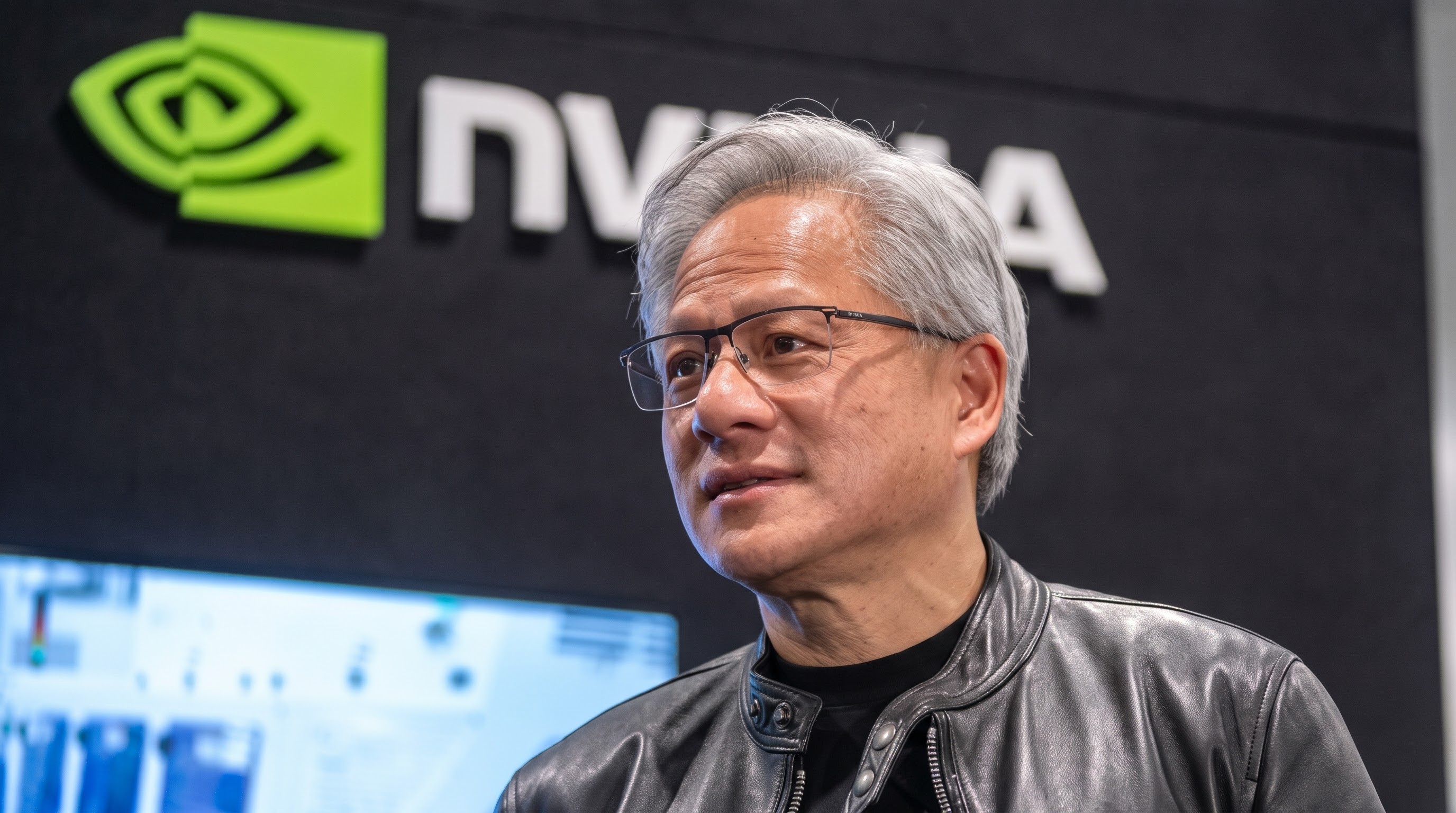
Jensen Huang resigned as chief executive of Nvidia on Thursday after reports of extramarital affairs, including one with a woman US intelligence officials suspect of being a Chinese asset.
Nvidia's board confirmed that the 63-year-old co-founder had stepped down as chief executive, president and board member with immediate effect.
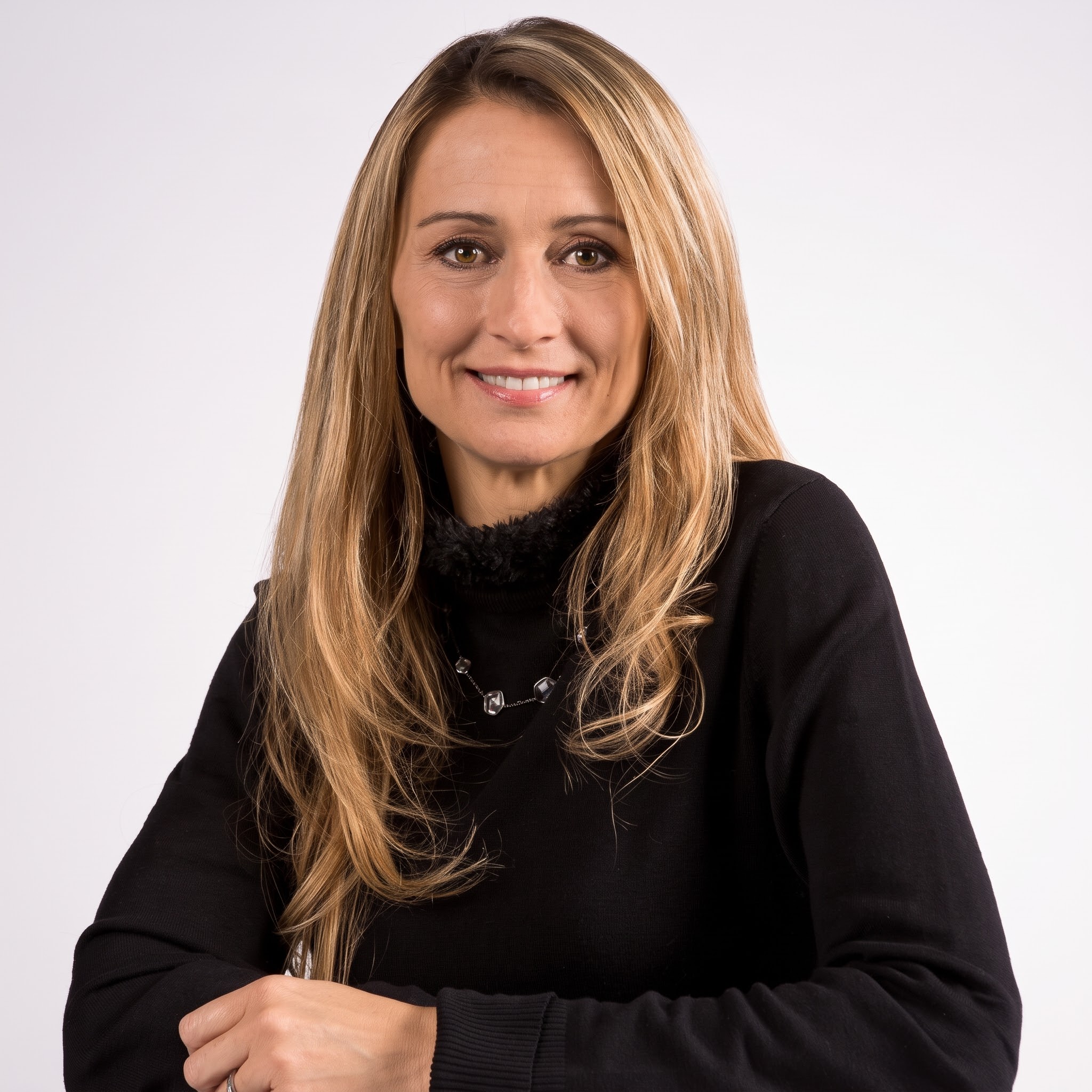
Chief financial officer Colette Kress will serve as interim chief executive until a permanent successor is named. The company also announced the appointment of Harvey Jones, a tech investor and entrepreneur, as its first ever chair.
Shares in the chipmaker plunged 13 per cent when Wall Street opened before a partial rebound left them down 4.3 per cent at the close. The fall erased more than $180bn (£135bn) from Nvidia's value on the day and around $490bn over the week, leaving the company valued at about $4tn. Its market capitalisation reached $5tn at one point last year.
The board's statement made no mention of the spying allegations or Huang's personal conduct. It instead paid tribute to a leader whose contributions to the company were "profound" and thanked him for his "immeasurable contributions to the company and the industry".
His exit marks a sharp reversal. On Sunday Huang admitted he had been unfaithful to his wife, Lori, without naming anyone, and apologised to his family and colleagues. The same day the board announced an investigation into reports that he had been the target of a foreign intelligence effort, while insisting it had confidence in him and no reason to believe national security or company secrets had been compromised. Earlier in the week it had appointed the law firm Wachtell, Lipton, Rosen & Katz to conduct a "thorough and independent" inquiry into his relationship with Alice Huang, a Chinese citizen and Nvidia customer who is no relation. The firm had directed him to keep running the company while that work continued.

Alice Huang is a businesswoman and head of the Singapore-based datacentre firm Megaspeed. US intelligence services suspect her of being a Chinese asset, according to multiple reports. The New York Times reported that she had been recruited by China's main spy agency to gather information on Huang, and that US officials suspect Megaspeed helped smuggle restricted chips into China. Huang has denied any knowledge that she allegedly worked for the Chinese government. Ms Huang has not responded to requests for comment, and China has rejected the espionage claims and described the smuggling allegations as "smears".
The pressure intensified late on Wednesday when the New York Times reported that Huang had a separate affair with an executive who reported to him, citing five people who worked at the company.

The Guardian named her as Kimberly Powell, Nvidia's vice president of healthcare, and said she was reportedly captured on video being affectionate with Huang at a hotel during a company conference in March. Powell has been approached for comment. The board called a meeting that night to discuss his future. After the resignation was announced, Reuters reported a third alleged affair with another Nvidia employee, citing two people familiar with the matter. It did not name her.
President Donald Trump, who had defended Huang all week and called him an honourable man, moved quickly to the question of a successor. Posting on social media, he said that with Huang having done a "fantastic job" there was "only one man" to take his place and named Tim Cook, the former Apple chief executive and current executive chair, adding "A Legend replaces a Legend!" The New York Times also reported that Trump had been warned about the relationship but took no action. Trump is due to travel to China next week and has said he does not plan to raise the matter with President Xi Jinping.
On Capitol Hill, Democrats called for an investigation into whether Huang had compromised US national security. Senate minority leader Chuck Schumer said the Trump administration "must answer for what it did" once it learned of the relationship. Senate majority leader John Thune, a Republican, said he expected the resignation would not stop Congress from holding hearings. Huang has agreed to testify before Congress.
Nvidia's board said it would consider internal and external candidates for the permanent role. Cook was among those under discussion before Trump's intervention, and Rene Haas, chief executive of the UK-based chipmaker Arm Holdings, and AMD chief executive Lisa Su have also been mentioned. Internal contenders include Kress and Ian Buck, who manages the company's AI hardware and software products. Huang's two children, Madison and Spencer, also work at Nvidia but are in their mid-30s and relatively inexperienced.
Analysts were divided on the consequences. Dan Ives, a senior US tech analyst, said the board had done what "it needed to do, which is rip off the Band-Aid and take Nvidia into its next chapter without him". Neil Wilson of the investment platform Saxo UK said the company would need a "great CEO" to replace Huang, whose technical knowledge was "basically unique and impossible to replicate", though he added that Nvidia was well placed on upcoming products and orders.
Huang founded the company in 1993 and ran it tightly, with about 60 direct reports. Nvidia is estimated to control about 90 per cent of the market for the advanced chips that underpin artificial intelligence, and its hardware powers firms such as OpenAI and Anthropic. Huang owns more than 870m shares, about 3.6 per cent of the company, which Bloomberg valued at $145bn on Thursday morning and made him the world's 13th richest person.
Comments
Join the conversation.
Have an account? Sign in to skip entering your details.
No approved comments yet.