
INEC removes 1.6 million voter records, probes 54 staff
Nigeria's electoral commission has purged 1,609,553 records from the preliminary voters' register. It says 54 registration personnel face disciplinary action and possible prosecution.
- Published in Nigeria.
- 3 minute read.
- 2 readers have viewed this story.
Nigeria's electoral commission has removed 1,609,553 records from the preliminary voters' register and identified 54 people across 10 states as complicit in registration irregularities, ahead of the 16 January federal elections.
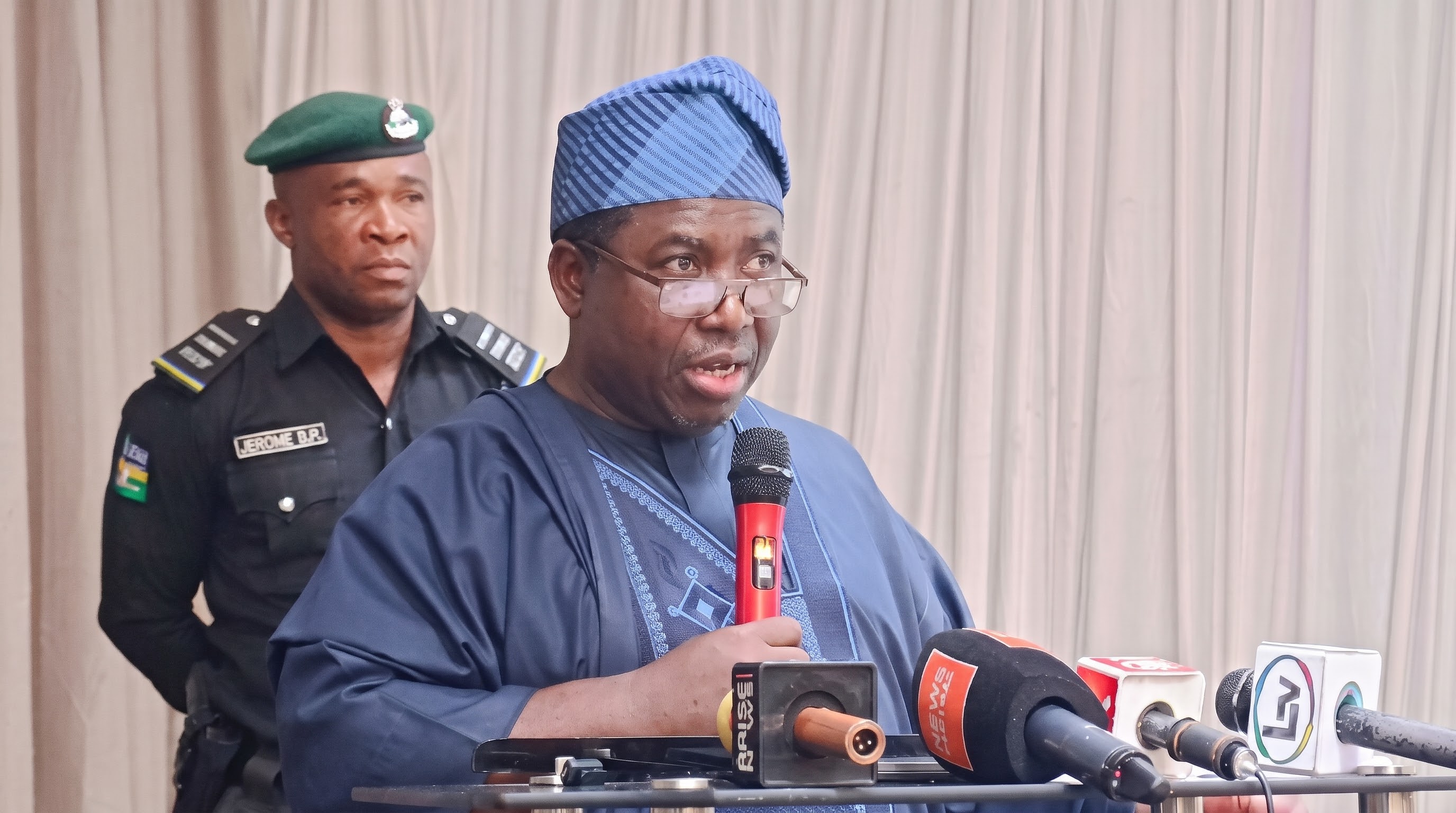
The total comprises 1,608,660 confirmed invalid registrations from the 2025/2026 Continuous Voter Registration exercise and 873 records belonging to verified deceased voters. INEC chairman Joash Amupitan disclosed the figures at a press conference in Abuja this week.
Registration personnel are at the centre of the commission's findings. "The commission found instances in which certain registration personnel deliberately circumvented established registration procedures and misused provisions intended for exceptional registration circumstances, including for persons with disabilities," Amupitan said.
The affected records have been reviewed and corrected, according to INEC, while the staff concerned have been referred for administrative investigation. Those involved face disciplinary measures and possible prosecution.
The purge follows allegations in October that some names and photographs on the register were generated by artificial intelligence. INEC said at the time that "a number of questionable registration records were identified and flagged for further examination".
The commission has since said it "examined suspected multiple registrations, unusual registration patterns, substituted photographs and irregularities in registration transactions". It did not specify whether or how AI was used in the cases it removed.
INEC harvested 11,088,238 registration records across three phases of the 2025/2026 exercise and passed them through its Automated Biometric Identification System. The system flagged 1,545,052 for closer examination.
Amupitan stressed that a flag does not settle a record's fate. "A flagged record is not necessarily an invalid registration," he said.
Before the preliminary register went on display, 1,277,052 registrations had been confirmed invalid and excluded. The display ran from 9 to 15 October 2026 and drew claims and objections from the public.
Those complaints sent a further 268,000 cases to adjudication, which ended with 217,722 registrations removed and 50,278 cleared as valid. Additional screening then found 113,886 more invalid entries, lifting the post-display removals to 331,608.
Some members of the public had alleged that the irregularities were introduced deliberately to compromise the 2027 elections. Amupitan said INEC held back its findings until the 14-day statutory complaints period under Section 19(2) of the Electoral Act 2026 had expired.
The chairman warned that the exercise would not close the problem. "Cleaning the register of only the 2025/2026 Continuous Voter Registration (CVR) exercise alone will not solve the problem identified," he said.
He added that "even with the removal of 331,608 who were found to be irregular in the Preliminary Voter Register for 2025/2026 displayed and published, the final list will still carry over the duplications of 2011-2023."
Most of the duplicate names and photographs that circulated on social media related to registrations carried out between 2011 and 2023, he said. The current register has grown through successive registration exercises since 2011, each using different technology and data standards.
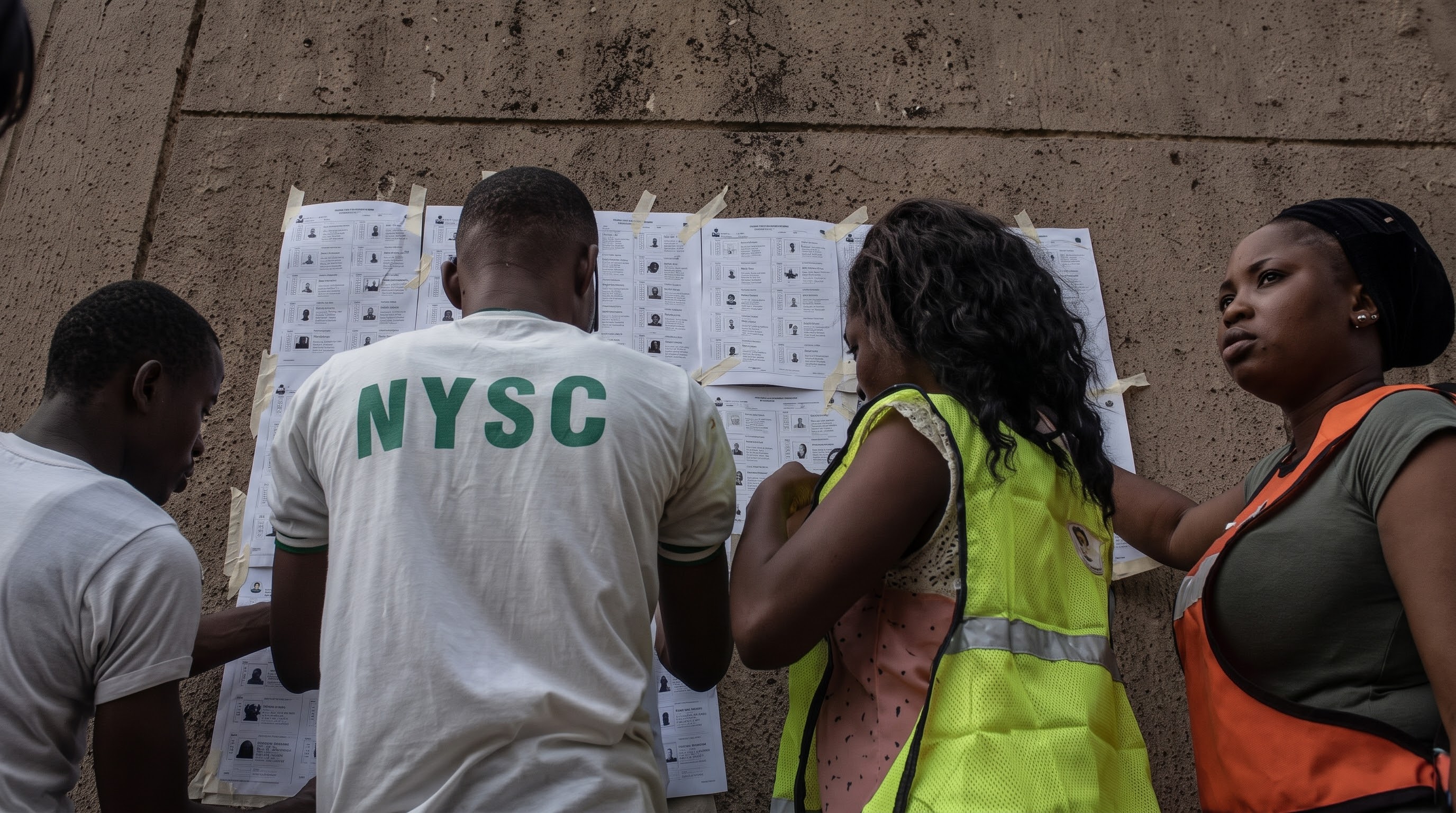
Several Nigerians complained that their names had vanished from the preliminary register. Amupitan said inquiries showed that many had moved house and registered afresh without transferring their original entries. The biometric system voided the second registrations, he said, while the original entries stayed valid at their previous locations.
More than 103 million Nigerians are eligible to vote for president and federal lawmakers on 16 January, with governorship and state assembly polls to follow in February. Voter turnout in the 2023 elections was 27 per cent, and previous ballots have been marred by violence, rigging and intimidation.
Amupitan, who took office in October 2025, said INEC is tightening biometric capture, authentication and verification to prevent a recurrence. Final reconciliation, quality assurance and publication checks are under way ahead of the release of the final voters' register on 15 December 2026.
Comments
Join the conversation.
Have an account? Sign in to skip entering your details.
No approved comments yet.