
French protests turn violent as 1,200 held and Limoges hall burns
An estimated 550,000 people marched across France on Saturday, and at least 1,200 were arrested after looting and arson. The government and opposition traded blame as unions called a national strike for 5 November.
- Published in News.
- 4 minute read.
- 1 readers have viewed this story.
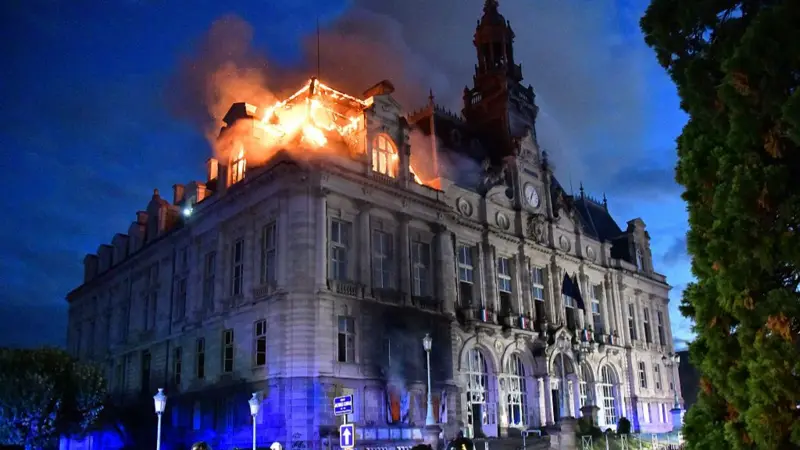
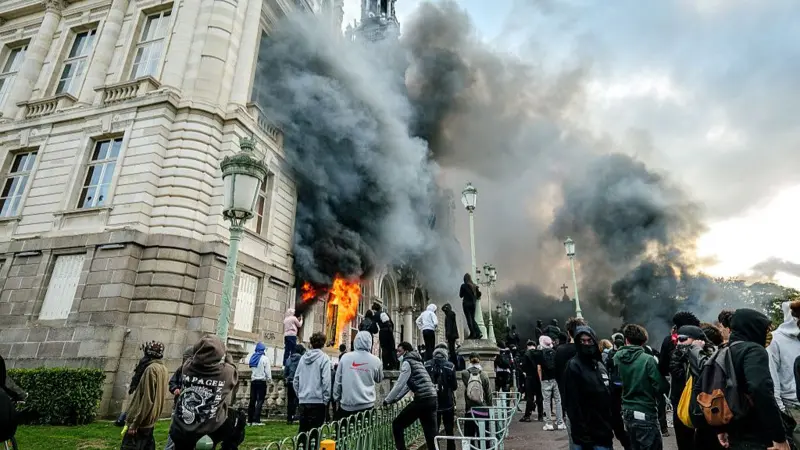
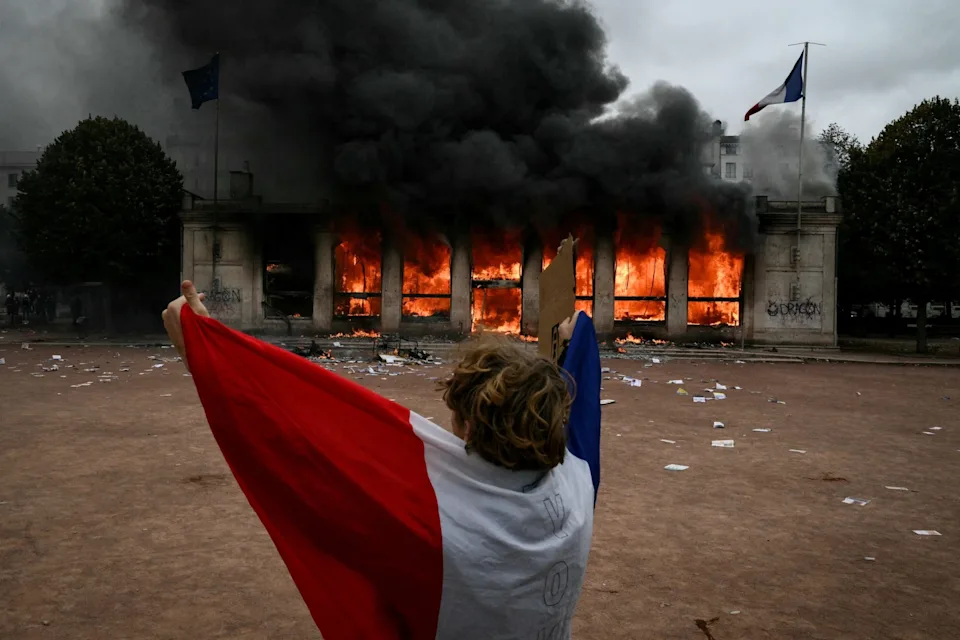
At least 1,200 people were arrested across France on Saturday as protests over school conditions and the cost of living turned to looting and arson, with a fire collapsing the roof of Limoges city hall.
An estimated 550,000 people took part nationwide, including 110,000 in Paris, according to the interior ministry. The CGT union put the figure at nearly 800,000.
Prime Minister Sébastien Lecornu said 150 police officers were injured. The prefect of Bouches-du-Rhône, where Marseille is located, said 107 officers had been hurt in the department, three of them "very seriously".
Earlier in the day, Interior Minister Laurent Nuñez had put arrests at about 400 and said most of those held were adults with no connection to the student movement.
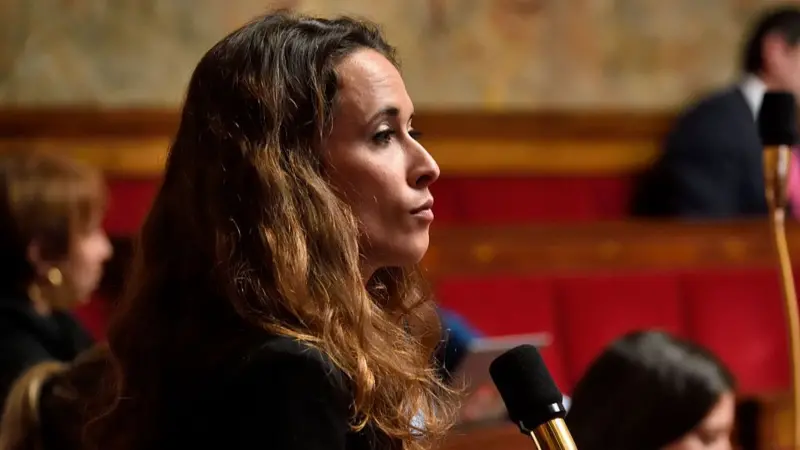
Nuñez said there had been a break-in and arson at Limoges city hall, where firefighters battled the blaze into the night. "The roof collapsed on to the lower floors, except for the west wing, and two-thirds of the facade has already disappeared," Prefect Maurice Barate told AFP, describing the loss as a "heritage catastrophe".
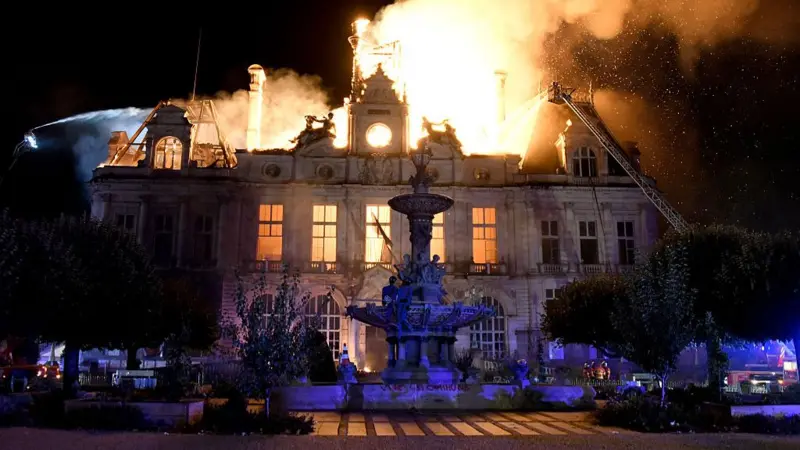
The town hall opened in 1883 and part of it was designated a historic monument in 1975.
In Marseille, protesters broke into the town hall, overturned a bust and smashed furniture before police forced them out. The mayor called for reinforcements.
Protesters smashed their way into the mayor's office in Lille and vandalised it before leaving. Masked youths set the tourist office in Lyon alight, and local police said "hostile individuals" prevented firefighters from tackling the blaze safely.
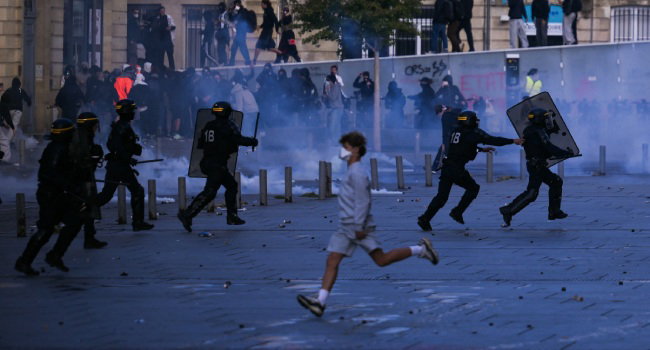
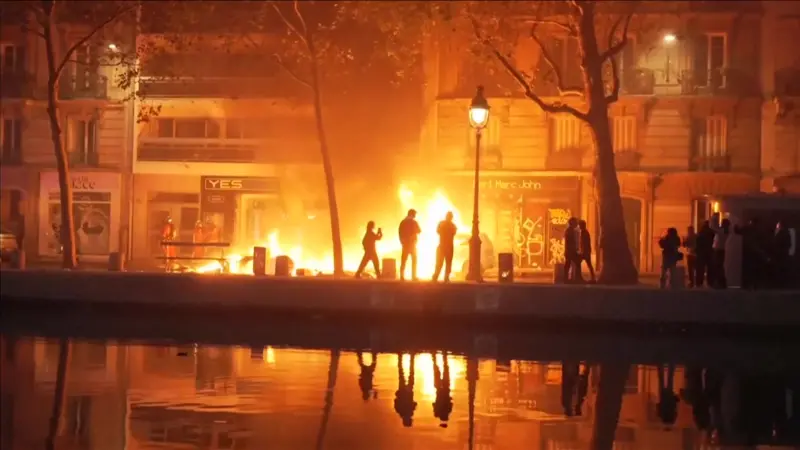
In Paris, riot police used tear gas and water cannon on crowds into the evening. Fires were lit at the Place de la République, vehicles were torched, shops were ransacked and the windows of two broadcasters' offices were broken.
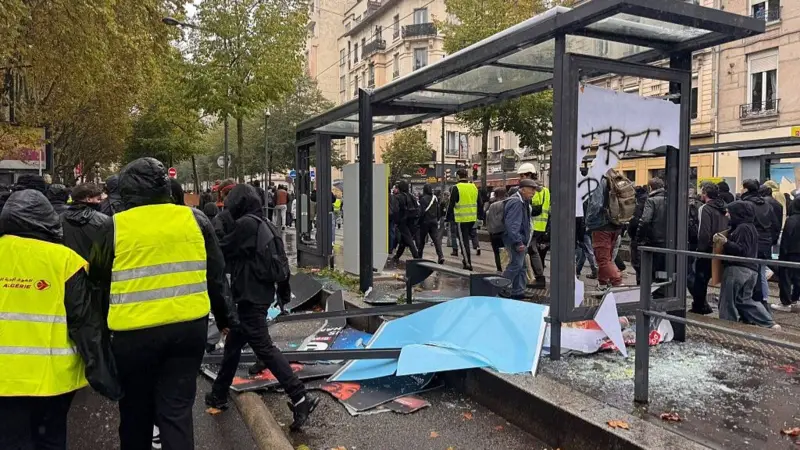
The mayor of Saint-Étienne, Régis Juanico, said a young man "had his hand blown off" during the demonstrations. "Such a tragedy should never have happened," he wrote on social media.
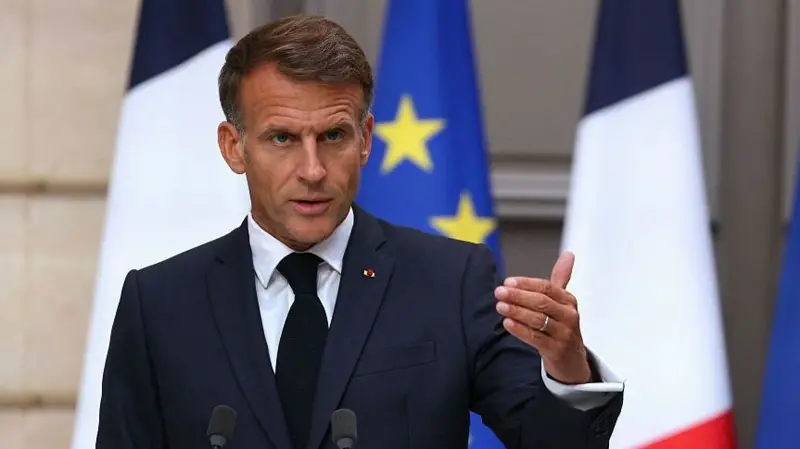
President Emmanuel Macron said there was "no place for violence". "Those who have broken, attacked the prefectures as well as businesses, looted even our town halls, will be prosecuted and punished," he said.
Lecornu said police had faced "violence of extreme intensity" and that some groups were using the protests as a "warm-up" for the presidential election. "No-one will impose their political agenda through violence," he said.
Nuñez blamed people associated with the "hard left and extreme left" and said there was plenty of video evidence to identify those responsible.
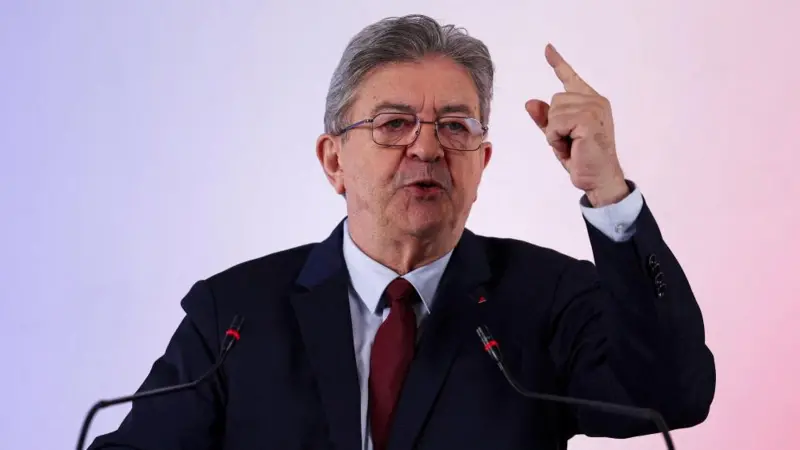
Jean-Luc Mélenchon, the far-left leader of La France Insoumise, said "everything is passing off peacefully" in most of the demonstrations. He accused television news of "flooding us with images of violence in dozens of cities" and accused Lecornu of "playing with fire". Lecornu called his comments "dangerous and cynical".
Marine Le Pen of the far-right National Rally said "legitimate demands" had been "held hostage by the far left". She said on X that "rioters have once again sullied the October 17 demonstrations over the cost of living".
Most marches passed peacefully. Some demonstrators in Paris shouted "Macron, resign".
"The government is trembling and it's right to tremble because when the French people are angry, they never let up," said Ryad Rani, head of the LSU high school student body.
The protests follow four weeks of student demonstrations over staff shortages and run-down school buildings. Education Minister Édouard Geffray promised 3,000 extra supply teachers on 8 October, but the protests have continued and intensified.
They have been joined by trade unionists and the "yellow vest" movement, which staged protests against Macron's government over fuel tax rises eight years ago.
A survey of 2,000 people published earlier this month found that around 45 per cent were worried about the cost of living. Inflation has risen above three per cent since the war in the Middle East began.
Franck, a civil servant in his forties who gave no surname, said he had "nothing left" at the end of the month. "Prices are going up but wages aren't," he said at a demonstration in Gueret.
The unrest comes as France struggles with its public debt, which stood at 119 per cent of GDP at the end of June. It is projected to reach 121.7 per cent in 2027 under the government's draft budget, which lacks a majority in the lower house.
The 10-year government bond yield has neared 5 per cent. Finance Minister Roland Lescure said the higher rates were an "alarm signal", although France retained market confidence.
European Central Bank president Christine Lagarde said the "primary and first solution lies at home in France, and it has to do with fiscal policies".
Macron leaves office next year, and polls suggest April's presidential election could come down to Le Pen and Mélenchon.
The CGT called the protests "a new stage in the mobilisation process" and urged continued "peaceful mobilisation with young people", culminating in a "great inter-union day of strike" on 5 November.
Comments
Join the conversation.
Have an account? Sign in to skip entering your details.
No approved comments yet.