
FG rejects World Bank warning over ₦7.7tn interest bill
The Federal Ministry of Finance says the World Bank's 124 per cent interest-to-revenue ratio is misleading. The same report credits ₦658.9 billion in cash transfers but urges a permanent funding framework.
- Published in News.
- 4 minute read.
- 0 readers have viewed this story.
The Federal Government has rejected a World Bank warning that ₦7.7 trillion in interest payments in the first half of 2026 threatens Nigeria's debt sustainability, calling the 124 per cent ratio misleading.
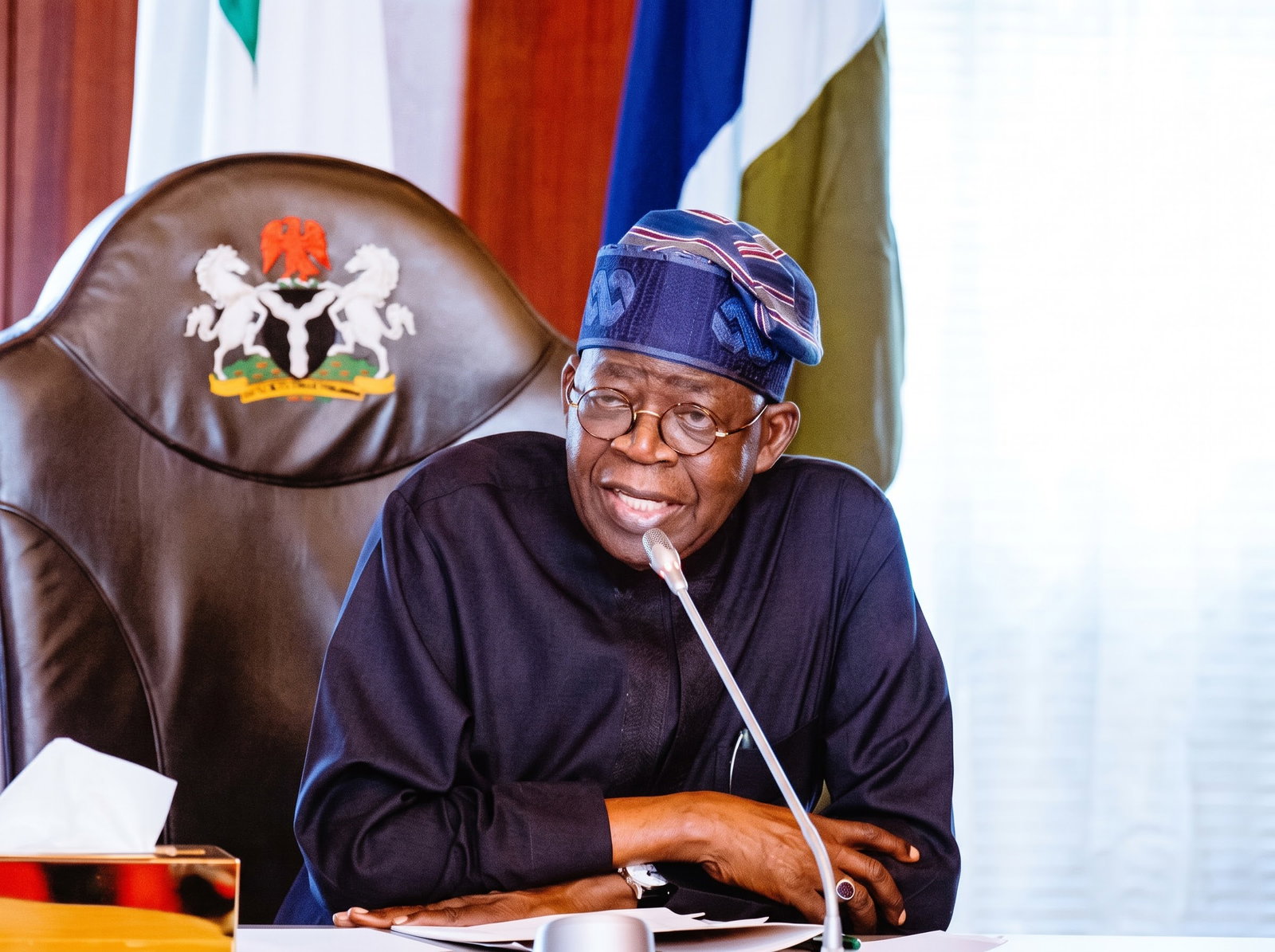
The Federal Ministry of Finance set out its position in a statement issued on Sunday 18 October. It was shared on X by the Minister of Finance and Coordinating Minister of the Economy, Taiwo Oyedele.
The World Bank's October 2026 Nigeria Development Update put the Federal Government's interest-to-revenue ratio at 124 per cent for the first six months of the year. The ministry said, “This conclusion is misleading, for three reasons.”
It said the interest figure includes debt the Federal Government services on behalf of other tiers of government, including external loans to states. “Measuring this against federal revenue alone overstates the ratio which is only meaningful when debt and revenue cover the same level of government.”
The ministry also argued that the revenue figure is incomplete because it excludes income already earned by government agencies and enterprises but not yet remitted to the Treasury. Its third objection was that more revenue is typically earned in the second half of the year because of the statutory timing of certain tax payments.
It said this seasonal pattern explains why the ratio stood at 156 per cent in the first half of 2025, when the full-year debt-service-to-revenue ratio for 2025 was below 60 per cent. The ministry said that full-year figure was down from 97 per cent before the reforms.
According to the ministry, federal revenue rose by 72 per cent between the first half of 2025 and the first half of 2026, from ₦3.6 trillion to ₦6.2 trillion. Interest payments rose by 38 per cent over the same period, from ₦5.6 trillion to ₦7.7 trillion.
It said the interest-to-revenue ratio therefore fell by 32 percentage points in a single year, from 156 per cent to 124 per cent. The gap between interest and revenue narrowed from ₦2.0 trillion to ₦1.5 trillion.
“This is the result of reforms working, not a sign of fiscal distress,” the ministry said.
The ministry argued that debt sustainability should be judged over a full year rather than half of one. It noted that the same World Bank report projects Nigeria's total debt service for 2026, covering interest and principal, at 46 per cent of revenue, which it described as the appropriate benchmark.
The statement also addressed the legal basis for federal borrowing. “Every naira borrowed by the Federal Government falls within the limits approved by the National Assembly under the 2026 Appropriation Act and the approved borrowing plan,” it said.
The ministry added that all borrowing complies with the Fiscal Responsibility Act 2007 and the Debt Management Office (Establishment) Act 2003. It urged analysts and commentators to compare like with like and to seek clarification where data is unclear.
The Bank's update also examined the government's social protection response. It titled the analysis ‘Beyond the Federal Purse: How Higher Revenues Shaped State Priorities’.
“The Federal Government reported disbursing N658.9 billion in direct cash transfers by September 2026, reaching 10.46 million poor and vulnerable households, using biometric and digital verification for beneficiary identification and payment delivery,” the bank stated.
The report said such support could shield households from economic pressure but that its impact would turn on who is reached and how often. “Social protection and service delivery can help cushion households against these pressures, though their effectiveness will continue to depend on coverage, adequacy, and continuity,” it stated.
It called for faster implementation and better reach, value and consistency of transfers, so that beneficiaries facing hardship receive more meaningful relief.
The bank also urged the Federal Government and state governments to establish a long-term funding framework for social protection. “Building on this progress, the next step is to move from an emergency response toward a regular, sustainable social protection system, with dedicated budget lines at the federal and state levels, gradually increasing financing from government resources, and a shared overarching vision,” the report stated.
The World Bank had not responded to the ministry's objections at the time of publication.
Comments
Join the conversation.
Have an account? Sign in to skip entering your details.
No approved comments yet.