
The Crown and the Chains: New Research Ties Generations of British Monarchs to the Slave Trade
New archival research reveals the British monarchy's direct, centuries-long role in the transatlantic slave trade, from royal-backed trafficking companies to enslaved people branded with the crown itself, reviving pressure on King Charles to formally acknowledge the past.
- Published in News.
- 5 minute read.
- 12 readers have viewed this story.
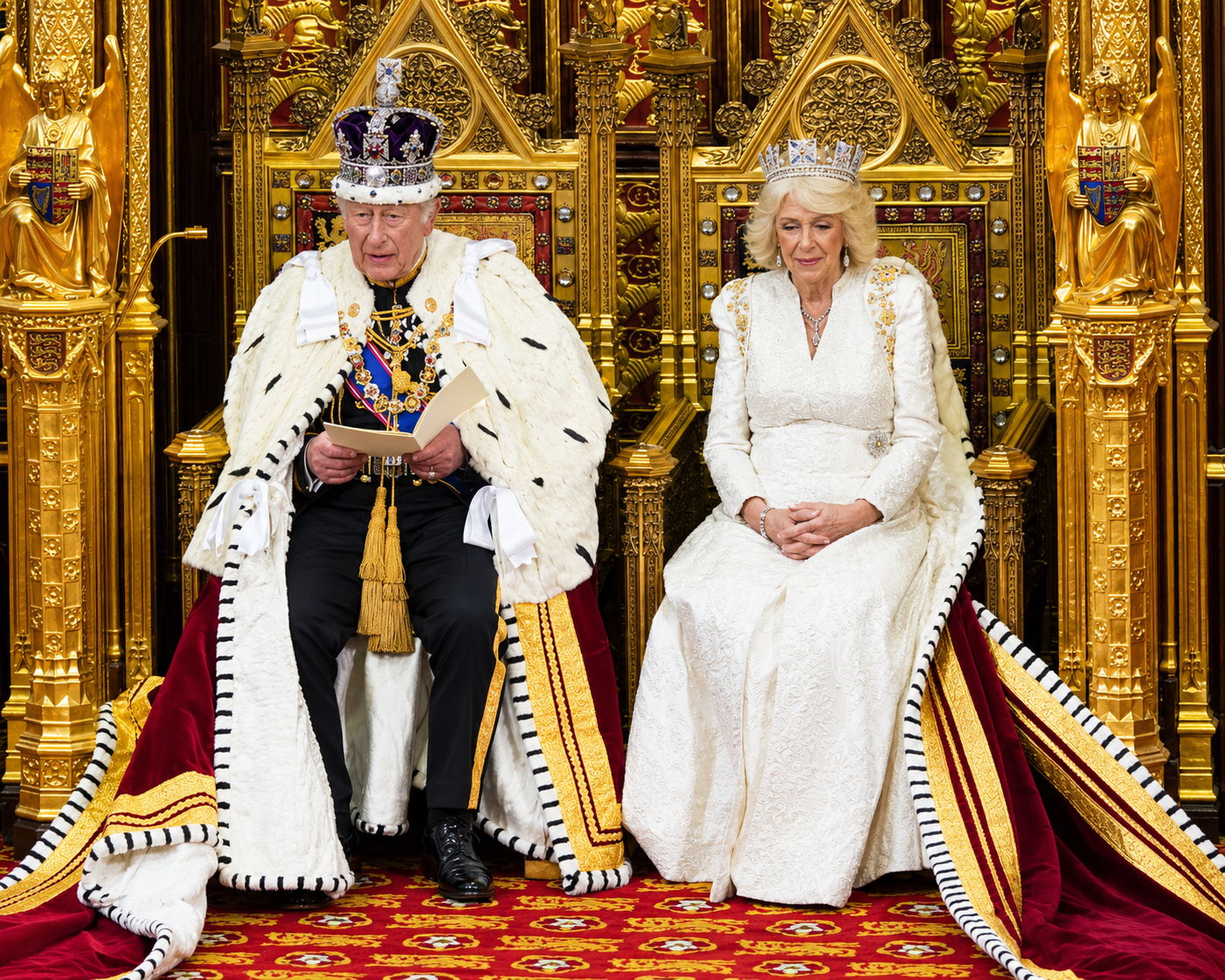

New historical research has laid out, in granular detail, how deeply the British monarchy was tied to the transatlantic slave trade, from Elizabeth I's backing of early voyages to direct royal investment in the companies that trafficked enslaved Africans for more than two centuries.
Historian Dr Nicholas Radburn of Lancaster University uncovered a letter in the archives of the South Sea Company, a British crown-backed enterprise that trafficked thousands of enslaved African people to plantations in the 1700s. The letter, sent by the company's board to its agents in Buenos Aires, instructed them to brand enslaved people with a hot metal mark bearing the royal crown. A doctor working for the company had warned against the practice, but the board, which included MPs and Bank of England directors among its members, ordered the agents to proceed anyway. Radburn said the correspondence showed just how coldly deliberate the cruelty was, describing men in a London boardroom calculating the violence to be inflicted on enslaved people an ocean away.
The findings form part of the Register of British Slave Traders, described as the most comprehensive research project yet into the individuals who invested in Britain's trafficking of enslaved Africans. The register documents how the enslavement and trafficking of more than three million African people over nearly 250 years operated as an official national enterprise, led by successive monarchs.
The trade intensified most sharply after the monarchy's restoration in 1660. James, Duke of York, who later became King James II, served as governor and a major shareholder of the Royal African Company, founded in 1672, which went on to traffic more African men, women and children than any other single organisation in the history of the trade. The company and its predecessor were established by James's brother, King Charles II, and backed by royalist courtiers, politicians and financiers who met to plan the trafficking inside James's own apartment at Whitehall Palace. Prof William Pettigrew, the register's lead historian, called James II the most important English slave trader of the seventeenth century, and said these royal-backed companies were central to the monarchy rebuilding its standing within the British constitution at the time.
The Royal African Company branded the people it enslaved at its coastal forts, using DY for the Duke of York and RACE for the company itself, according to Prof Brooke Newman, author of a book chronicling the monarchy's centuries-long ties to the trade. She traces that involvement from Elizabeth I's support for early trafficking voyages in the 1560s through to King William IV, who spent time drinking and carousing on Caribbean plantations and opposed abolition for decades.
Queen Anne played her own direct role. In 1713, as part of a peace treaty, she secured for Britain the asiento, an agreement with Spain's King Philip V to deliver 4,800 enslaved African men annually to Spanish American colonies, and later announced the deal to the House of Lords with evident pride. Anne was also a major investor in the South Sea Company, holding rights to nearly a quarter of its overall profits, and her successors George I and George II remained personal investors in and supporters of the company as well.
According to the Slave Voyages database, the South Sea Company trafficked more than 43,000 African captives from West Africa and Madagascar to the Caribbean and Spanish Americas between 1714 and 1740, with many later forced to march hundreds of miles overland to South America's Pacific coast. The company moved tens of thousands more enslaved people within the Americas. Its trafficking ships, several named after the crown itself, all set sail from London, and nearly 7,000 people died in the notoriously brutal conditions aboard them.
King Charles has repeatedly expressed sorrow over enslavement in public remarks, at one point calling it an appalling atrocity, though he has stopped short of formally apologising for Britain or the monarchy's role in it. In 2023 he signalled support for research into the monarchy's historical links to transatlantic slavery for the first time. Responding to the new reporting, a spokesperson for the king said Charles remained grateful to those doing academic work in the area and to their contribution to the wider debate about how such historic wrongs might be addressed.
Pressure on Charles from African and Caribbean nations to go further than past expressions of regret is expected to build ahead of the next Commonwealth heads of government meeting, due in Antigua and Barbuda in November. Successive UK governments, however, have never formally apologised for the country's role in slavery and have consistently rejected discussion of reparations, a position that constitutionally binds the king regardless of his personal wishes. A delegation from Jamaica delivered a petition to Charles last week seeking a legal ruling from the privy council, the final court of appeal for UK overseas territories and some Commonwealth nations, on whether the forced transport of Africans to Jamaica was lawful, whether it amounted to a crime against humanity, and whether Britain owes restitution for slavery and its lasting effects.
David Comissiong, Barbados's ambassador to the Caribbean Community, acknowledged that Charles's constitutional position prevents him from contradicting government policy. But he argued that other British establishment families have already acknowledged their own roles in the slavery enterprise and signalled willingness to make reparation, and that anyone aware of the monarchy's history would reach the same conclusion about the royal family.
Comments
Join the conversation.
Have an account? Sign in to skip entering your details.
No approved comments yet.