
Chase cites software bug as Americans report bank login and transfer failures
Customers of Chase, Bank of America and Wells Fargo reported being locked out or unable to move money on Monday. JPMorgan blamed a software bug and said transactions were posting normally again by early evening.
- Published in Business.
- 3 minute read.
- 6 readers have viewed this story.
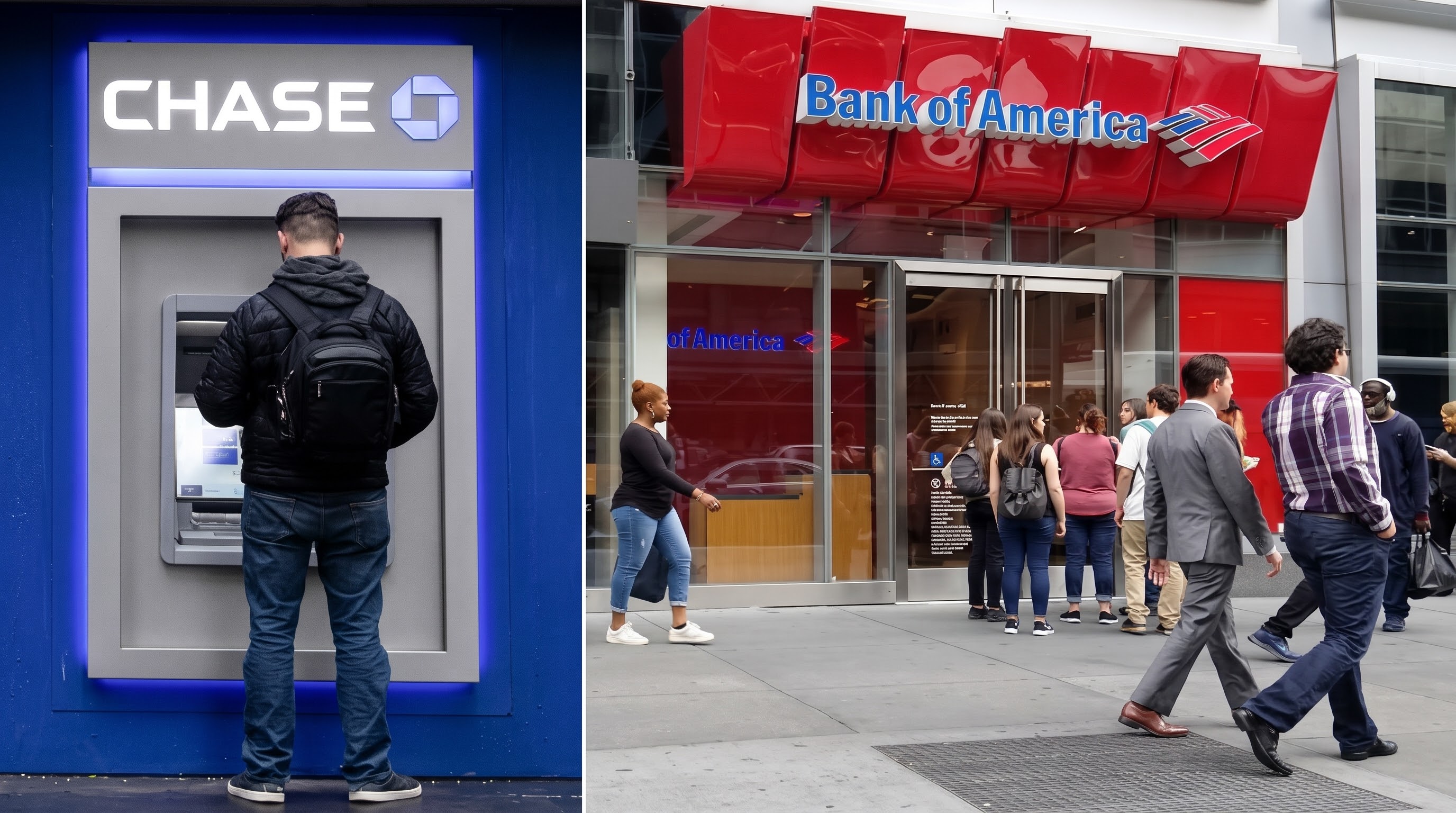
Customers of Chase, Bank of America and Wells Fargo reported being unable to log in or transfer money on Monday after JPMorgan Chase blamed a software bug for slowing transactions with other lenders.
Outage tracker Down Detector logged more than 4,800 reports from Chase customers by 2.30pm ET. Around 2,100 came from Bank of America clients and 1,000 from Wells Fargo users. Errors were first reported as early as 11.30am ET.
Clients described trouble accessing online accounts, viewing balances and completing bank and wire transfers, according to CBS News. One Chase customer in Dallas told the network he could not deposit a cheque at his branch. He said a teller told the customer ahead of him that the 'system was down' but gave no further detail.
A JPMorgan spokesperson told CNBC there was 'no evidence it is cyber-related'. 'This is not a systemic issue,' the spokesperson said. 'Other banks may have been impacted by slowness in transactions only to the extent that they were a party to a transaction with us.' Chase told customers that 'some transactions are taking longer than usual to complete' but that they still had 'access to their accounts and funds'.
Wells Fargo posted a note on its website saying 'online banking isn't available right now' because of 'technical issues'.
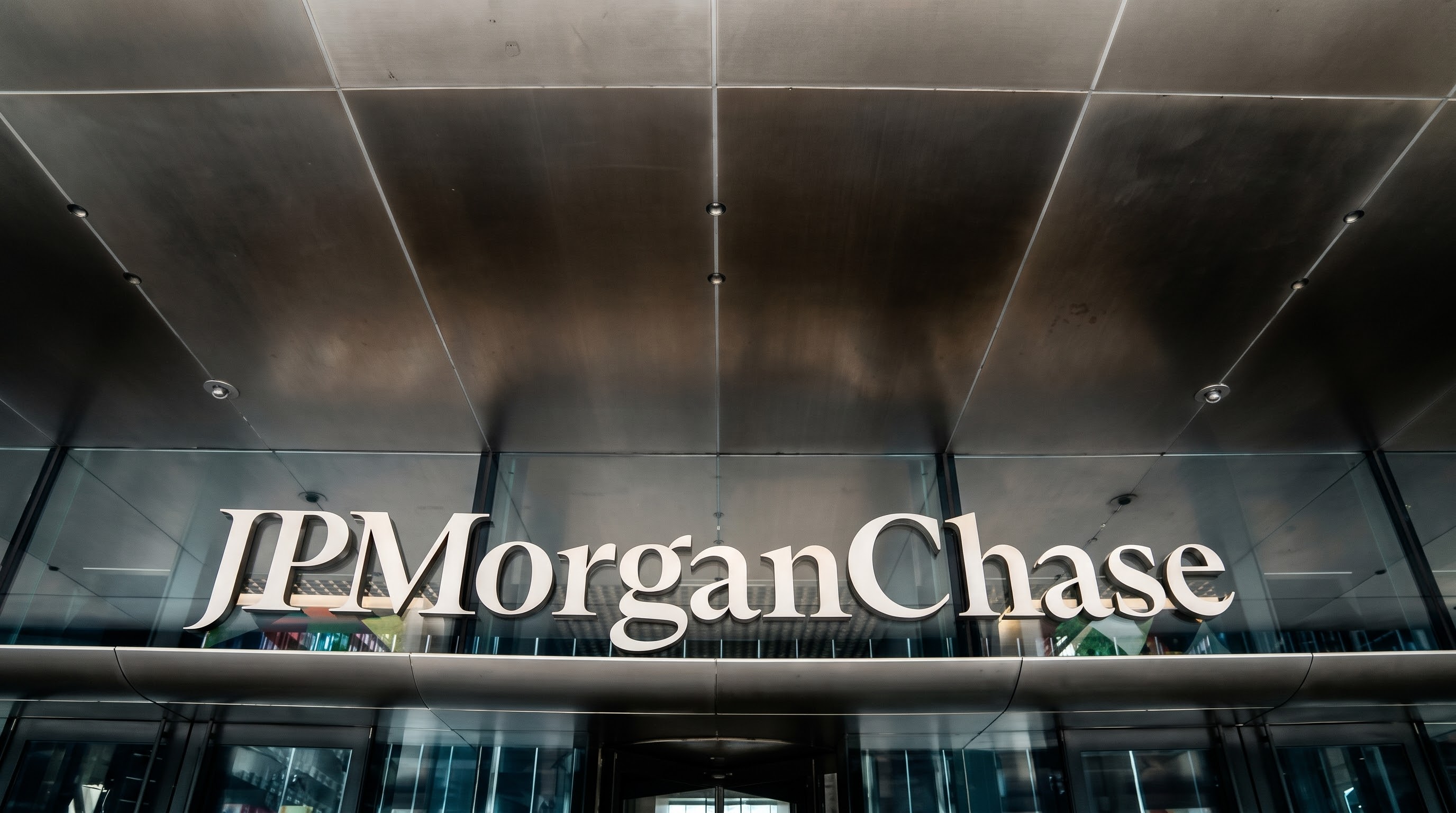
Chase is the largest bank in the United States by assets. It serves more than 86 million customers at 5,000 branches, along with 7.4 million small businesses, and is the country's top credit card issuer. It also handles payments involving other institutions, which means a technical fault there can delay transactions at rival banks even when their own systems are running normally.
US Bank said its systems were not directly affected but warned that customers sending or receiving Zelle payments with other institutions might face delays. Zelle said its network was operating as it should and that problems at participating banks could affect payments. Truist, PNC and Capital One were also named in customer complaints, but all three told the BBC they had not been affected.
By 6pm ET, reports of outages at Chase, Bank of America and US Bank had fallen. A Chase spokesperson said that at around 6.30pm, shortly after close of business, transactions were posting normally. Al Jazeera noted that the restoration did not necessarily mean every delayed payment had been completed.
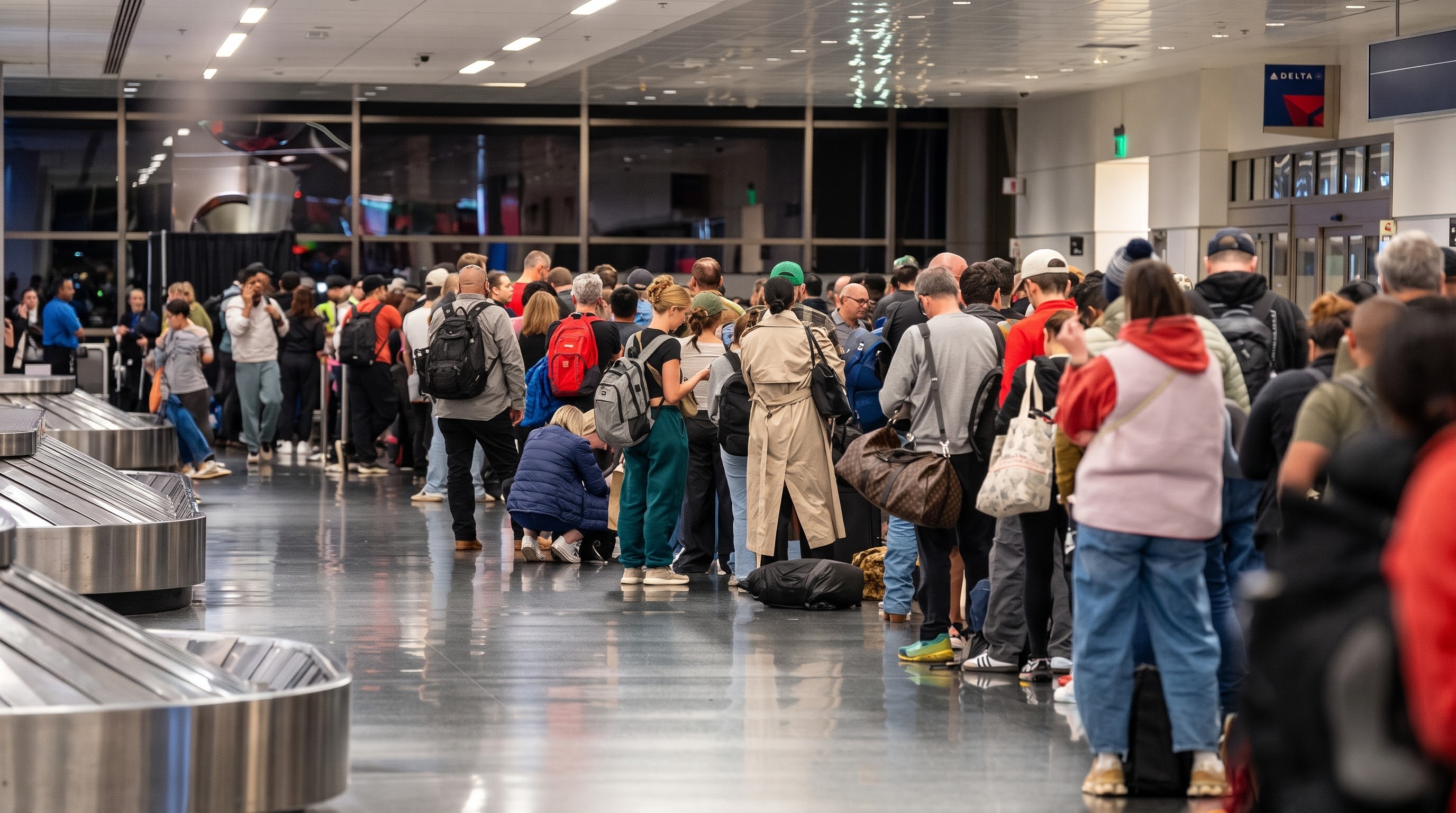
United Airlines also suffered what it called a 'widespread system outage' hours later. The airline apologised to customers on X, saying 'We sincerely apologize for the inconvenience.' It did not give a cause, but a spokesperson said the problem was not related to cybersecurity. The BBC reported it was resolved within a few hours and did not appear to affect other carriers.
The disruptions followed two other major failures in the United States. A Microsoft outage left users unable to reach Outlook, Teams and Copilot, with a faulty network configuration change suspected. Microsoft has since said services were fully restored. The Federal Aviation Administration then issued a nationwide ground stop that halted around 3,500 flights for about five hours. More than 20,000 flights were cancelled between Friday and Sunday, according to FlightAware, and an estimated one million travellers were affected.
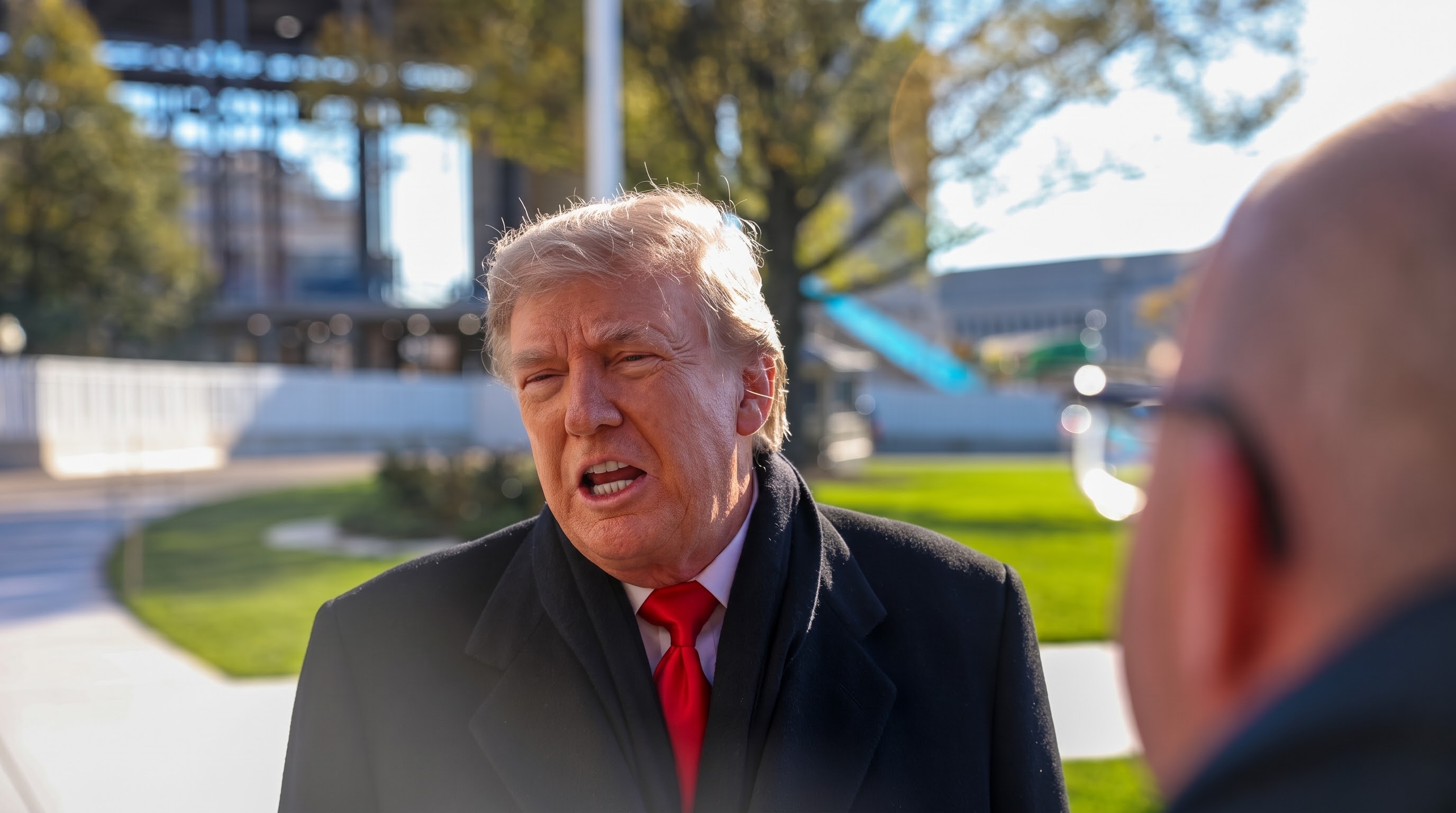
President Donald Trump blamed 'old, broken equipment' for the FAA failure and criticised his predecessor over upgrades from copper wiring to fibre-optic cable.
Al Jazeera reported there was no confirmed link between the banking problems and the Microsoft and FAA incidents, and the reported causes differed. Jody Westby, chief executive of advisory firm Global Cyber Risk, told the broadcaster the run of failures raised questions about the reliability and security of critical infrastructure. 'I don't think that any of that is a complete explanation the public deserves,' she said, adding that more detailed investigations were needed.
Comments
Join the conversation.
Have an account? Sign in to skip entering your details.
No approved comments yet.